 Save
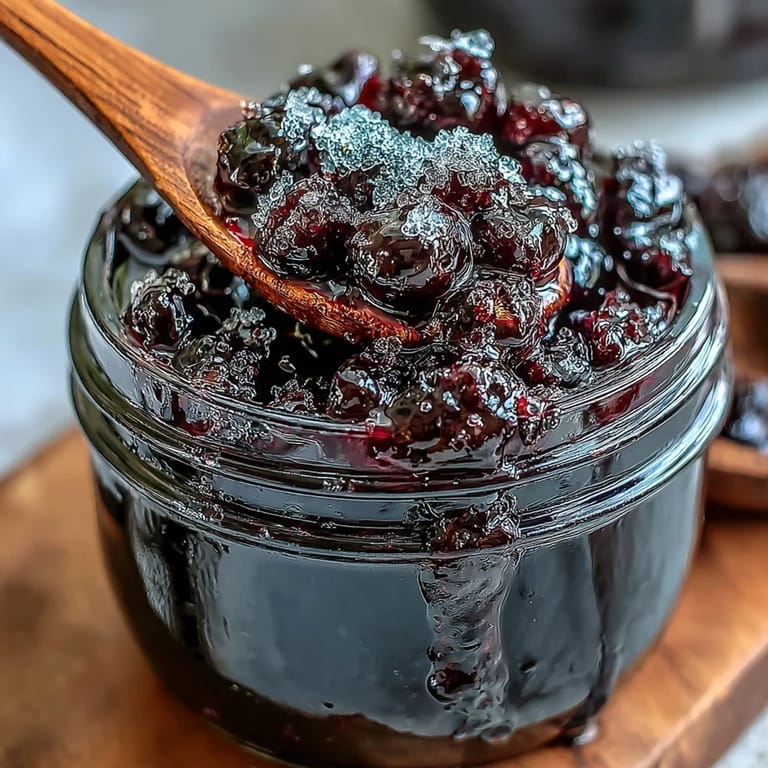
Save My neighbor brought over a bottle of homemade crème de cassis one autumn evening, and the deep crimson liquid caught the light so beautifully I almost didn't want to drink it. She poured a splash into a flute of champagne, and that first sip—tart, rich, with an almost velvety sweetness—made me understand why the French have been making this for centuries. I decided right then that I needed to try crafting my own, and seven days later, my kitchen smelled like a blackcurrant dream.
I made this for the first time during a quiet week when everything felt a bit grey outside, and watching those blackcurrants slowly bleed into the vodka became oddly meditative. By day five, I was shaking that jar like I was conducting an orchestra, and my partner asked if I was okay because apparently I was humming while doing it. When I finally strained it, the kitchen filled with this incredible aroma that made everyone stop what they were doing—that's when I knew this little project was worth every day of waiting.
Ingredients
- Blackcurrants: Fresh ones matter here—they're tart and bright, which is what gives crème de cassis its signature personality, so don't settle for frozen if you can help it.
- Granulated sugar: This isn't just sweetness; it draws out the berry juices and acts as a preservative, so measure it properly.
- Vodka or neutral spirit: The higher the ABV, the better the extraction, so aim for at least 40% and choose something clean-tasting since it's the backdrop for everything else.
- Vanilla bean (optional): If you use it, split it lengthwise so the seeds release slowly into the liqueur and add a whisper of elegance.
Tired of Takeout? 🥡
Get 10 meals you can make faster than delivery arrives. Seriously.
One email. No spam. Unsubscribe anytime.
Instructions
- Prepare your blackcurrants and jar:
- Start with a large glass jar that's been properly sterilized—I run mine through the dishwasher and let it air dry. Clean your blackcurrants gently, remove every stem, and you're ready to begin.
- Crush and combine:
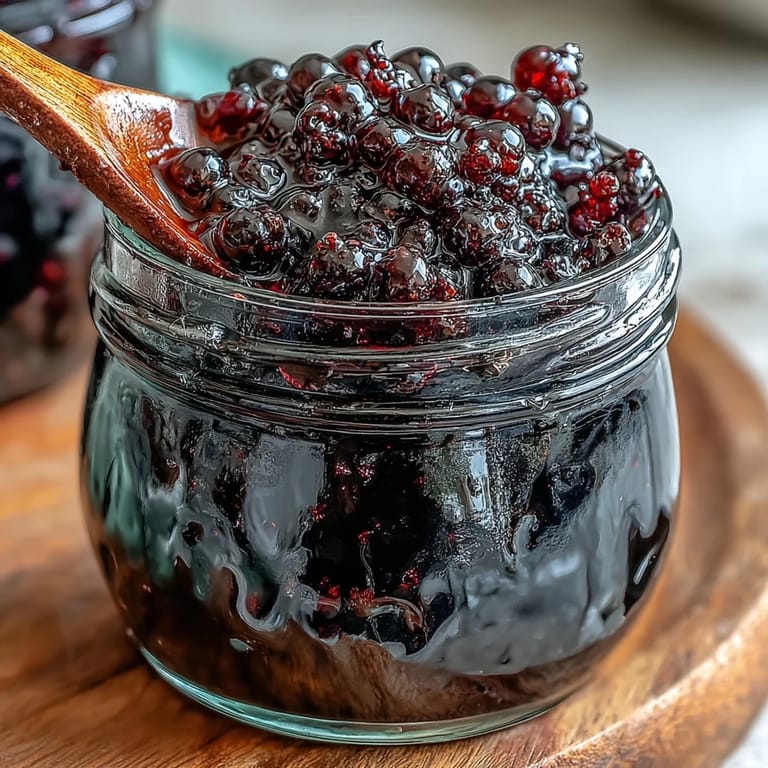
- Pour your blackcurrants into the jar and use a potato masher or wooden spoon to gently crush them, releasing their dark juices without pulverizing them into oblivion. The goal is to crack them open, not turn them into paste.
- Add the spirit and vanilla:
- Pour in your vodka and add the split vanilla bean if you're using one, then give everything a good stir so the sugar starts dissolving right away. This is when your kitchen will start smelling incredible.
- Seal and store:
- Seal that jar tightly and tuck it into a cool, dark cupboard—a pantry is perfect, somewhere the temperature stays steady. Avoid direct sunlight or anywhere near the stove where heat might fluctuate.
- The daily ritual:
- Every single day for seven days, shake or stir that jar for about thirty seconds, watching the color deepen and the sugar dissolve. This isn't optional; the movement actually matters for even extraction and flavor development.
- Strain and filter:
- On day seven, set a fine mesh sieve over a clean bowl and carefully pour the mixture through, then use the back of a spoon to gently press the solids and extract every drop of liquid. If you want crystal clarity, pour through cheesecloth or a coffee filter one more time.
- Bottle and age:
- Pour your finished liqueur into sterilized bottles using a funnel, seal them tightly, and store in that cool, dark place. You can use it immediately, but it genuinely does taste better after a few weeks.
 Save
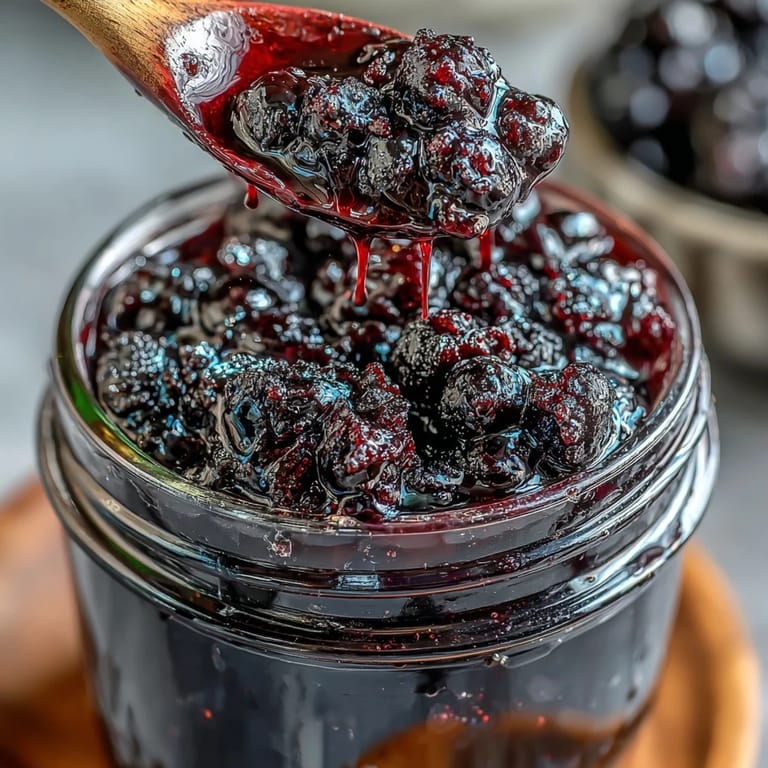
Save The moment I first poured that homemade crème de cassis over ice and tasted it—really tasted it—I felt this small, quiet pride that surprised me. It wasn't just about having made something; it was about understanding that time and patience could turn simple things into something that felt luxurious.
The Magic of Maceration
Maceration is just a fancy way of saying you're letting fruit soak in alcohol while everything slowly mingles and transforms, and it's honestly one of the most rewarding kitchen lessons you can learn. The sugar dissolves, the berries release their color and flavor molecules, and the alcohol preserves everything while carrying those flavors into every drop. What starts as separate ingredients becomes something unified and sophisticated, and you're essentially watching chemistry happen in a jar on your shelf.
Customizing Your Liqueur
Once you understand the basic formula, you can experiment with confidence—brandy instead of vodka gives you something richer and more complex, while a little extra vanilla bean adds depth. Some people add a star anise or a cinnamon stick, though I'd suggest making one batch plain first so you really know what straight crème de cassis tastes like. The beauty of homemade liqueurs is that they're forgiving; you learn what you love and adjust next time accordingly.
Serving and Storage Wisdom
This liqueur is endlessly versatile—it's perfect in a Kir with dry white wine, elegant in champagne as a Kir Royale, or simply poured over ice on a quiet evening. It pairs beautifully with desserts too, drizzled over vanilla ice cream or stirred into chocolate ganache, and it makes spectacular gifts in pretty bottles with handwritten labels. Store it properly in a cool, dark place and it'll keep for up to a year, though honestly it rarely lasts that long once people discover what you've made.
- Chill your glasses before pouring for a more elegant presentation.
- A single tablespoon can transform a dessert or elevate a simple cocktail.
- Always label your bottles with the date so you remember how long you've been aging it.
 Save
Save Making crème de cassis teaches you that some of the best things in life really do require patience, and that's a lesson worth learning in the kitchen. Pour yourself a glass, enjoy the fruits of seven days of waiting, and know that you've created something genuinely beautiful.
Recipe FAQ
- → How long does Crème de Cassis keep?
Properly stored in a cool, dark place, your homemade Crème de Cassis will maintain quality for up to one year. The flavor continues developing and deepening over time, making it even more enjoyable after several months of aging.
- → Can I use frozen blackcurrants?
Fresh blackcurrants provide optimal flavor and texture, but frozen berries work adequately when fresh are unavailable. Thaw completely and drain excess liquid before combining with sugar. The final liqueur may have slightly softer fruit notes compared to fresh.
- → What's the difference between vodka and brandy as the base spirit?
Vodka creates a neutral canvas allowing pure blackcurrant flavors to shine. Brandy adds warmth, depth, and subtle oak notes that complement the berries. Choose vodka for bright, fruity clarity or brandy for a richer, more complex finished liqueur.
- → Why must I shake the jar daily?
Daily agitation redistributes the sugar throughout the liquid, ensuring complete dissolution. It also refreshes the contact between alcohol and berries, promoting even extraction of flavors, colors, and aromatic compounds from the fruit.
- → How do I make my Crème de Cassis clearer?
After the initial straining, filter the liquid through coffee filters or several layers of cheesecloth. This additional step removes fine particulates, resulting in a brilliant, jewel-toned liqueur. The process takes longer but yields professional clarity.
- → Can I reduce the sugar content?
The specified sugar amount creates the traditional sweetness balance. Reducing sugar by more than 20% affects preservation and texture. For less sweetness without compromising quality, serve smaller amounts mixed into cocktails rather than consuming neat.