 Save
Save I discovered black currant sauce entirely by accident one summer when a friend brought a punnet of these jewel-like berries to a dinner party, and I had exactly ten minutes to turn them into something impressive. The kitchen filled with this deep, almost floral aroma as they hit the pan, and within minutes I had something so glossy and vibrant it looked like it belonged in a fancy restaurant. That night, drizzled over vanilla cheesecake, it became the star of the dessert table—and I've been making it ever since.
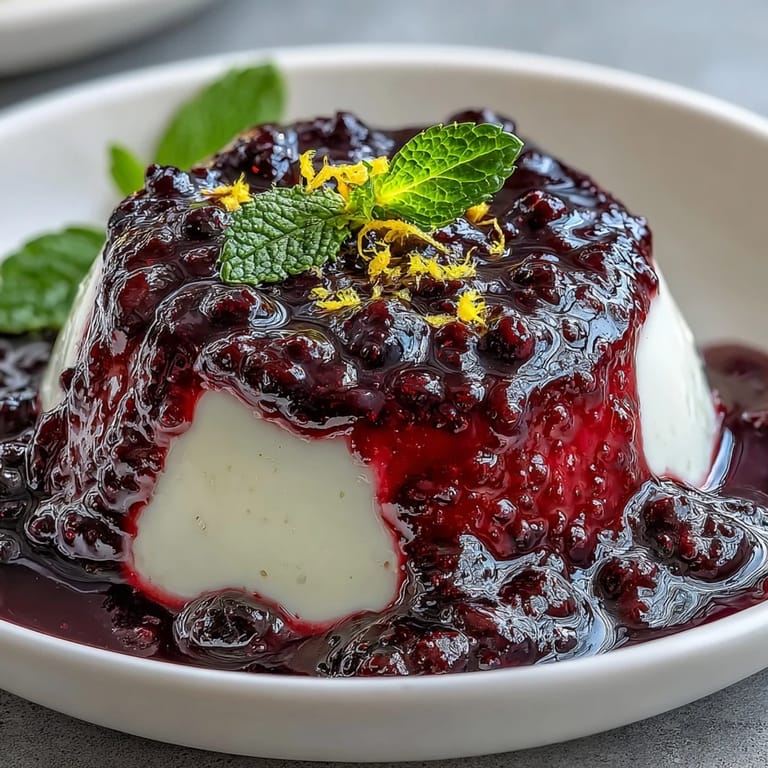
I once brought this sauce to a potluck where someone had made a nearly forgotten panna cotta, and watching people's faces light up when they tasted them together reminded me how the simplest things can completely transform a dish. That's when I learned this wasn't just a sauce—it was a secret weapon.
Ingredients
- Black currants (fresh or frozen), 1 cup (150 g): These tart little berries are the backbone here; frozen works beautifully and saves you hunting for fresh ones, plus they break down just as quickly as you need them to.
- Granulated sugar, 1/2 cup (100 g): This balances the natural tartness of the currants, though you'll want to taste as you go since tartness varies wildly depending on the season and source.
- Water, 1/4 cup (60 ml): Just enough liquid to let the berries release their color and flavor without making the sauce watery or diluted.
- Cornstarch (optional), 1 tsp, and cold water, 1 tbsp: This is your shortcut to that glossy restaurant-quality finish if you want it, though leaving it out gives you a more rustic, jammy result.
- Fresh lemon juice, 1/2 tsp: A tiny squeeze brings out the currants' natural brightness and prevents the sauce from tasting one-note sweet.
- Vanilla extract, 1/2 tsp: This deepens everything in a subtle way that nobody will consciously notice but somehow will make them say the dessert tastes better.
Tired of Takeout? 🥡
Get 10 meals you can make faster than delivery arrives. Seriously.
One email. No spam. Unsubscribe anytime.
Instructions
- Combine and heat gently:
- Pour your currants, sugar, and water into a small saucepan and set the heat to medium, stirring occasionally as everything comes together. You'll know it's working when the berries start to break down and release their beautiful dark color into the liquid, usually within the first minute or two.
- Let them burst and thicken:
- Keep the simmer going for 6 to 8 minutes, stirring every so often to help the berries along—you'll see them split open and the whole mixture take on a rich, slightly syrupy consistency. The house smells unbelievable at this point.
- Make it glossy (if you choose):
- If you're going for that extra shine and thickness, whisk your cornstarch with cold water until smooth, then stir it in and let everything bubble for just a minute or two more. This is the step that separates rustic from restaurant-ready, and it's entirely up to you.
- Finish with brightness:
- Take the pan off the heat and stir in your lemon juice and vanilla—these tiny additions wake up all the flavors and keep the sauce from feeling heavy. This is also where you taste and adjust anything that needs it.
- Strain for silk or skip for texture:
- If you want something silky and refined, push the sauce through a fine sieve to catch all the skins and seeds. If you like a little rustic charm and visible berry texture, leave it as is—both versions are equally delicious.
- Cool and thicken:
- Let the sauce come down to room temperature, and you'll notice it thickens up more as it cools—this is the cornstarch working or just the natural starches in the berries settling. Once cool, it's ready to pour over whatever you're adorning.
 Save
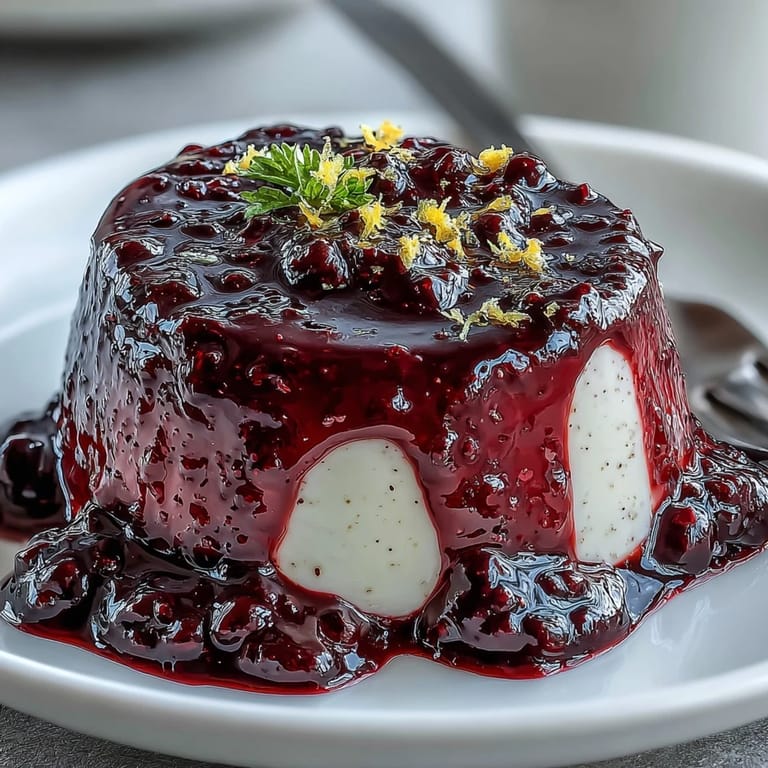
Save There's something almost meditative about watching this sauce transform from pale pink to deep burgundy, knowing that in a few minutes it'll be the finishing touch that makes everyone at the table pause mid-conversation. That's when I realized home cooking isn't really about following rules—it's about those small moments when something simple becomes memorable.
Storage and Make-Ahead Magic
This sauce actually gets better if you make it a day or two ahead, as the flavors deepen and the texture settles into something almost jewel-like. Keep it in an airtight container in the fridge for up to a week, and it'll be ready whenever you need a dessert rescue or a last-minute flourish.
Playing with What You Have
Once you master the basic method here, you'll start seeing this sauce everywhere—over a slice of dense chocolate cake, swirled into Greek yogurt for breakfast, or even alongside roasted duck if you're feeling adventurous. Raspberries, blackberries, or even blueberries can take the place of currants, though the flavor profile shifts slightly with each berry you choose.
Beyond the Dessert Plate
I've learned that the best kitchen discoveries are often the ones that happen by accident, when you're not overthinking things and just letting ingredients do what they naturally want to do. This sauce is proof that sometimes five minutes and a handful of berries can create something that feels far more sophisticated than the effort you put into it.
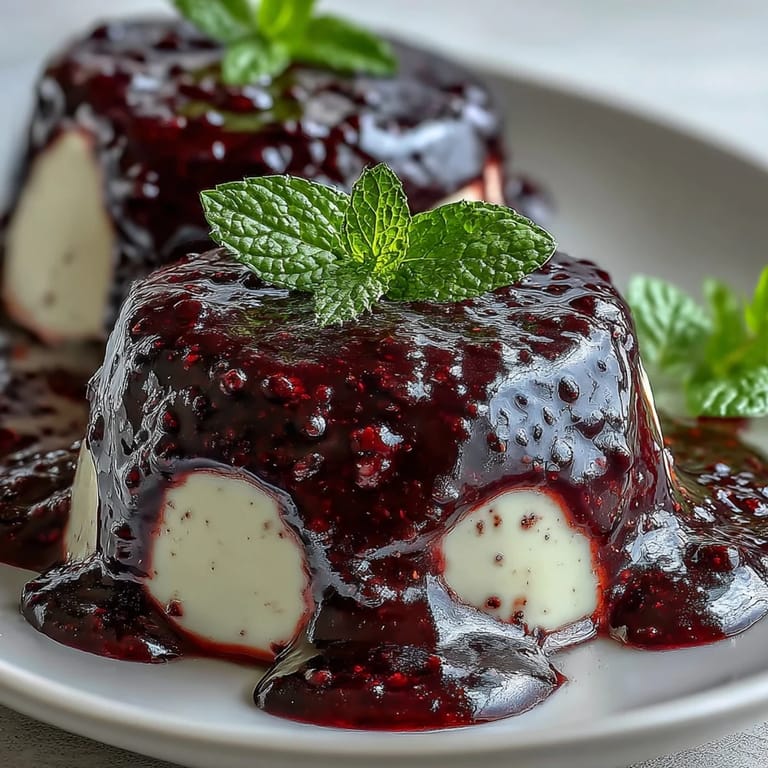
- This sauce is as at home drizzled over creamy cheesecake as it is swirled into vanilla panna cotta or spooned over plain ice cream.
- The lemon juice is non-negotiable if you want to avoid that one-dimensional sweetness that makes people say they can't quite identify what's in it.
- Serve the sauce at room temperature or just slightly chilled, never hot, so it doesn't melt or overwhelm whatever you're pairing it with.
 Save
Save This black currant sauce reminds me that sometimes the most elegant dishes are the ones that ask for almost nothing from you except a few minutes of attention and good ingredients. Make it once, and you'll find yourself reaching for it again and again.
Recipe FAQ
- → Can I use frozen black currants?
Yes, frozen black currants work perfectly. No need to thaw first—simply add them directly to the saucepan. They may release more liquid, so extend the simmering time by a couple of minutes to reach the desired thickness.
- → How do I store this sauce?
Keep in an airtight container in the refrigerator for up to one week. The sauce will continue to thicken as it chills. Bring to room temperature before serving for easier drizzling.
- → What can I serve with this sauce?
This glossy creation pairs beautifully with creamy desserts—panna cotta, cheesecake, vanilla ice cream, or crème brûlée. It also complements chocolate cakes, tapioca pudding, and even savory dishes like roasted duck or pork loin.
- → Is straining necessary?
Not at all. Straining creates a perfectly smooth, jewel-toned sauce, but leaving the skins and seeds intact adds rustic texture and more fiber. Choose based on your preference and presentation style.
- → Can I substitute other berries?
Absolutely. Raspberries, blackberries, or blueberries all work well. Adjust sugar based on the berry's natural tartness. Mixed berry combinations create complex flavors and beautiful depth.
- → Why is my sauce too thin?
Simmer a few minutes longer to reduce further, or add the optional cornstarch slurry. Remember that the sauce thickens considerably as it cools to room temperature or chills.