 Save
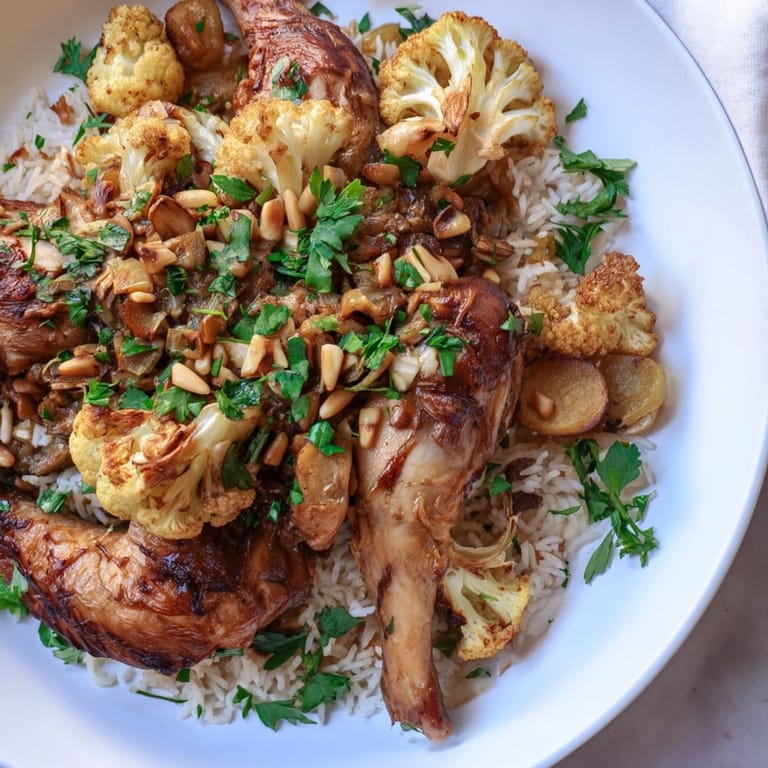
Save The first time I watched maklouba being made, I was standing in my aunt's cramped kitchen in Ramallah, mesmerized by the theatrical inversion at the end. She'd layered everything so carefully—golden potatoes on the bottom, then chicken, then cauliflower, then fragrant rice—all cooked together in this ancient cast iron pot she'd owned for decades. When she flipped it onto the platter with one confident motion, the whole structure tumbled out perfectly golden and steaming, and I understood why Palestinians call it maklouba, which means overturned. It felt like magic, but it was really just patience and spices and faith in the process.
I made this for my neighbors when they were going through a rough stretch, and watching their faces light up when I brought out that golden inverted dome on the platter—well, that's when I realized food really is a language. They asked for the recipe that same night, and now it's become their family's Tuesday dinner ritual.
Ingredients
- Bone-in chicken pieces (1.2 kg): Bone-in parts like legs and thighs stay juicier and more flavorful than breast meat, and they contribute collagen to the broth.
- Basmati rice (2 cups): Long grains stay separate and don't turn mushy, which is crucial for the structural integrity of your inverted tower.
- Cauliflower florets (1 large head): Frying them first gives them a protective golden crust that keeps them from disintegrating during the long cook.
- Potatoes (2 medium, sliced thin): These become soft and almost cake-like on the bottom layer, absorbing all the savory broth and spice.
- Onions (1 large, sliced): They'll caramelize slightly and flavor the entire dish with their sweet, mellow notes.
- Ground cumin, coriander, cinnamon, turmeric, allspice, cardamom (measured amounts): Together these create that warm, slightly sweet spice profile that makes maklouba unmistakable—use whole spices toasted and freshly ground if you can, but ground works beautifully too.
- Chicken stock or water (5 cups): Stock adds more depth, but water works fine if you season generously.
- Pine nuts or slivered almonds for garnish (optional): Toasting them brings out their nutty richness and adds a textural contrast to the soft rice.
Tired of Takeout? 🥡
Get 10 meals you can make faster than delivery arrives. Seriously.
One email. No spam. Unsubscribe anytime.
Instructions
- Prepare your rice:
- Rinse the rice under cold water until the water runs mostly clear, which removes excess starch and helps each grain stay distinct. Soak it for 30 minutes in salted water—this keeps the grains from getting mushy and actually helps them cook more evenly.
- Brown the chicken:
- Heat olive oil in your largest pot over medium-high heat and season the chicken pieces generously with salt and pepper on all sides. Brown them for about 6 minutes total, working in batches if needed so they actually touch the hot surface and caramelize rather than steam.
- Build the spiced broth:
- Sauté the sliced onion until it turns translucent and soft, then add all your spices at once—you'll smell this shift happen as the heat releases their oils. Return the chicken, pour in your stock or water, bring it to a boil, then reduce heat and simmer gently for 20 minutes so the chicken releases its flavors into the broth.
- Fry the vegetables:
- While the chicken cooks, heat vegetable oil in a deep pan and fry the cauliflower and potato slices in batches until they turn golden brown on both sides—don't crowd the pan or they'll steam instead of fry. Drain them on paper towels so they're not greasy.
- Layer it all up:
- In a heavy-bottomed pot (at least 5 liters), start with a layer of the fried potato slices on the bottom, then arrange the chicken pieces on top, then the fried cauliflower, and finally the drained rice pressed down gently. This is your edible foundation, and the potato base will have the best texture and flavor.
- Add the broth and cook:
- Pour reserved broth over the rice until it's just covered—too much and it becomes mushy, too little and the top dries out. Bring the liquid to a bubble over medium heat, then turn it down to low, cover the pot very tightly, and don't peek for 35 to 40 minutes.
- Rest and invert:
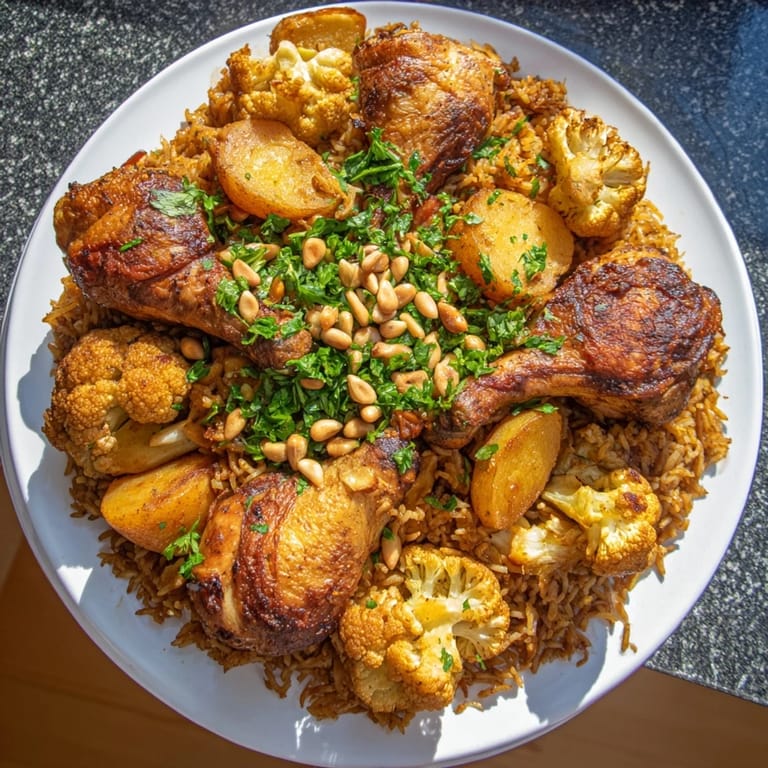
- Turn off the heat and let everything sit undisturbed for 10 to 15 minutes—this lets the rice finish absorbing moisture and makes it easier to unmold. Run a thin knife around the edges to loosen it, place your platter over the pot, take a breath, and flip the whole thing in one confident motion.
 Save
Save My grandmother taught me that maklouba isn't just about the drama of flipping—it's about creating a moment where everyone at the table feels seen and honored. That golden dome is an edible declaration that you cared enough to get it right.
Why This Dish Matters
Maklouba has been part of Palestinian tables for generations, a dish that feeds large families on modest budgets while still feeling festive and special. It's the kind of meal that travels well to family gatherings and celebrations, and it actually tastes better made a few hours ahead and gently reheated.
How to Serve and Pair It
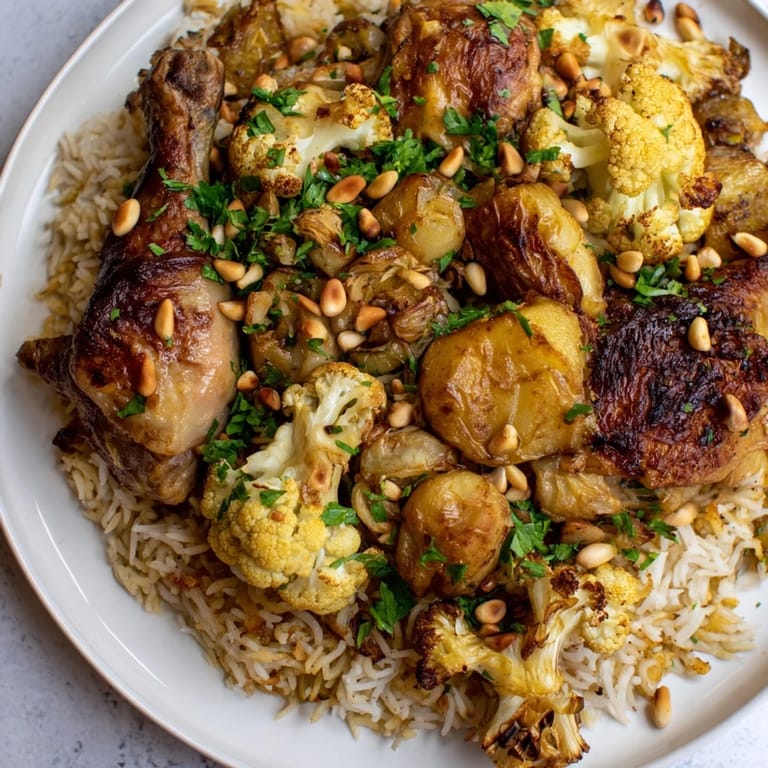
Maklouba stands on its own as a complete meal, but it sings when served alongside creamy labneh or tangy yogurt that cuts through the richness. A crisp salad with fresh lemon juice and parsley adds brightness, and if you're making this for someone special, set the table so everyone can see that golden inverted dome—the presentation is half the experience.
Troubleshooting and Variations
If your maklouba doesn't unmold cleanly, it usually means either the rice was too moist or the bottom layer stuck to the pot—next time, use a heavier pot and be slightly more conservative with liquid. You can absolutely make this vegetarian by omitting the chicken and using vegetable stock, or add layers of thinly sliced eggplant or carrots for your own twist.
- For a saffron version, steep a pinch of saffron threads in warm broth before pouring it over the rice.
- If you're nervous about the flip, make sure you've loosened the edges with a thin knife and that your platter is large enough to cover the entire pot opening.
- Leftover maklouba reheats beautifully in a low oven, and some people swear the flavors actually deepen overnight.
 Save
Save Make this when you want to create a memory, not just fill bellies. It's the kind of dish that reminds people they matter.
Recipe FAQ
- → What is the key to making perfect maklouba?
Ensuring the rice is well-soaked and drained before cooking helps achieve fluffy layers, while careful layering and slow simmering prevent sticking and promote even cooking.
- → Can I substitute chicken in this dish?
Yes, you can replace chicken with vegetables or use vegetable broth for a vegetarian variation while maintaining the dish's rich flavors.
- → How do the spices enhance the dish?
Warm spices like cumin, coriander, cinnamon, turmeric, and cardamom add depth and fragrance, harmonizing the flavors of the rice, vegetables, and meat.
- → What vegetables are traditionally used?
Cauliflower florets and sliced potatoes are typically fried and layered with the meat and rice, contributing texture and mild sweetness.
- → How should maklouba be served?
It is carefully inverted onto a serving platter to reveal its layered beauty and often garnished with toasted nuts and fresh parsley, served warm alongside yogurt or crisp salad.