 Save
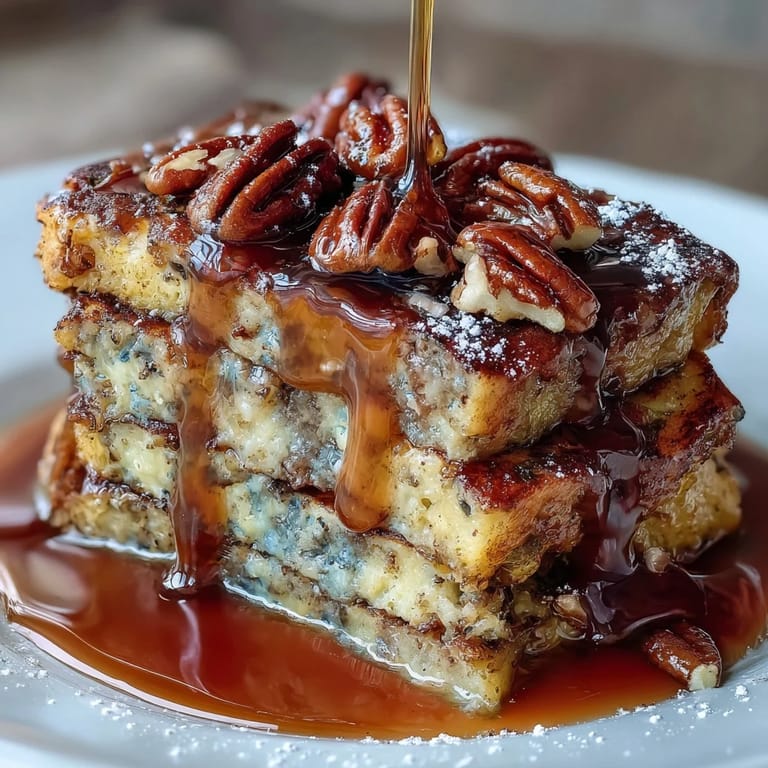
Save My neighbor showed up at my door one Sunday morning with a casserole dish in her hands, steam still rising from under the foil. She'd made this pancake casserole for a brunch she was hosting and wanted my honest opinion before serving it to guests. One bite and I understood why she was confident—it had that fluffy, tender texture of pancakes but baked golden in a dish, with ribbons of maple syrup running through every layer. I asked for the recipe that afternoon, and now it's become my go-to when I need something that looks impressive but doesn't demand hours in the kitchen.
Last summer, I made this for my sister's book club brunch, and what started as a simple breakfast turned into something memorable. One of the guests—a woman who swore she didn't eat sweets—asked for seconds and then thirds, and we all laughed watching her try to be subtle about it. The warm spice of vanilla mixing with genuine maple syrup somehow felt less like indulgence and more like comfort, which is exactly what a good brunch dish should do.
Ingredients
- All-purpose flour (2 cups): This is your foundation, and measuring it properly matters more than you'd think—spoon it into your measuring cup rather than scooping directly from the bag to avoid packing it down.
- Granulated sugar (2 tablespoons): Just enough sweetness to let the maple syrup be the star without competing flavors.
- Baking powder and baking soda (2 teaspoons and 1/2 teaspoon): These two work together to give you that characteristic pancake fluffiness, so don't skip either one or the texture changes completely.
- Salt (1/2 teaspoon): A small but essential amount that deepens all the other flavors and prevents the dish from tasting one-dimensional.
- Eggs (2 large): They bind everything together and add richness; room temperature eggs mix in more smoothly than cold ones straight from the fridge.
- Whole milk (2 cups): Creates the tender crumb you want; don't use skim if you can help it, as the fat makes a real difference in the final texture.
- Unsalted butter, melted (1/4 cup): Melted butter distributes evenly through the batter and creates those little pockets that make each bite tender, plus extra for greasing the dish.
- Vanilla extract (1 teaspoon): Use pure vanilla, not imitation, and you'll notice how it brings warmth and depth to the background of every flavor.
- Pure maple syrup (1/2 cup): Real maple syrup is worth the extra cost here because you're depending on it for genuine flavor; it caramelizes beautifully as the casserole bakes.
- Chopped pecans or walnuts (1/2 cup, optional): These add crunch and a subtle earthiness that balances the sweetness, though the dish stands perfectly well without them.
- Powdered sugar (optional): A light dusting at the end gives a bakery-style finish and catches the light beautifully on the plate.
Tired of Takeout? 🥡
Get 10 meals you can make faster than delivery arrives. Seriously.
One email. No spam. Unsubscribe anytime.
Instructions
- Heat your oven and prepare the dish:
- Set your oven to 350°F and let it come to temperature while you prep. Butter the 9x13-inch baking dish generously so nothing sticks, paying special attention to the corners where the edges tend to catch.
- Whisk the dry ingredients together:
- In a large bowl, combine your flour, sugar, baking powder, baking soda, and salt. Whisk them together for about a minute so the leavening agents distribute evenly throughout the flour—this prevents dense spots in your finished casserole.
- Mix the wet ingredients separately:
- In another bowl, crack your eggs and whisk them with the milk, melted butter, and vanilla until the mixture looks smooth and unified. This step takes just a minute and ensures everything will combine evenly when you bring the two mixtures together.
- Gently combine wet and dry:
- Pour the wet ingredients into the dry ingredients and stir until you just can't see any flour streaks anymore. This is where many people make the mistake of over-stirring; lumps are your friend here because they mean you haven't developed the gluten, which would make the casserole tough instead of tender.
- Transfer to the baking dish:
- Pour the batter into your prepared dish and spread it to the corners, smoothing the top with a spatula so it bakes evenly.
- Create the maple swirl:
- Pour the maple syrup over the batter and take a knife—a regular dinner knife works fine—and gently cut through the syrup and batter in a few zigzag motions. Don't overdo it; just a few passes create beautiful ribbons without fully mixing the syrup in, which leaves pockets of intense maple flavor throughout.
- Add the nuts if you're using them:
- Scatter your chopped pecans or walnuts over the top now, so they'll toast slightly as the casserole bakes and become more flavorful.
- Bake until golden:
- Set a timer for 28 minutes and check at that point; you're looking for a golden color on top and a toothpick inserted into the center that comes out clean with maybe just a crumb or two clinging to it. Every oven runs a bit different, so the last 4 minutes matter—watch for the edges to pull slightly away from the pan.
- Rest and finish:
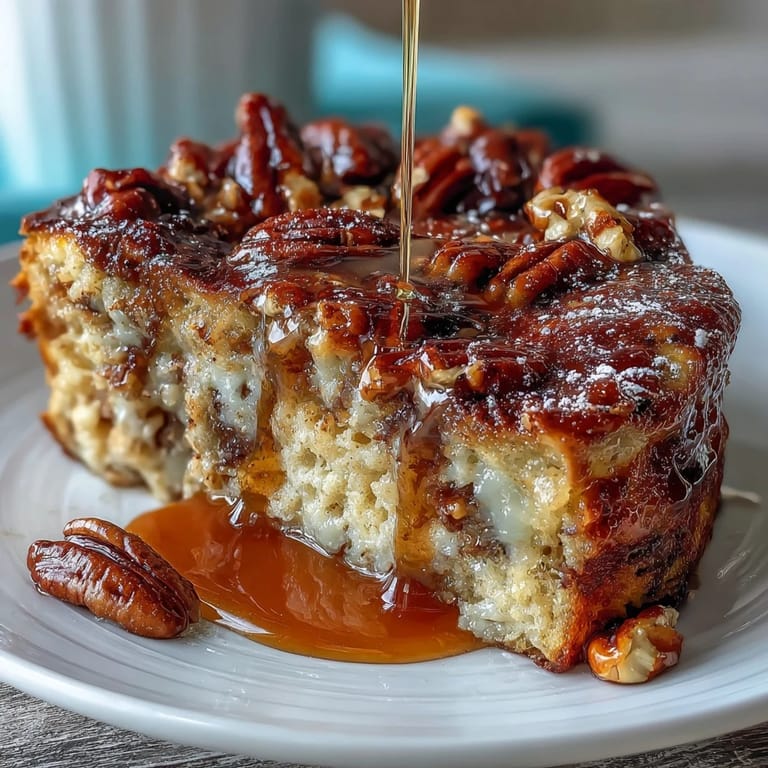
- Let it cool for 5 minutes so it sets up enough to slice cleanly without falling apart. Dust with powdered sugar just before serving, slice into squares, and serve warm with extra maple syrup on the side for people to drizzle as much as they like.
 Save
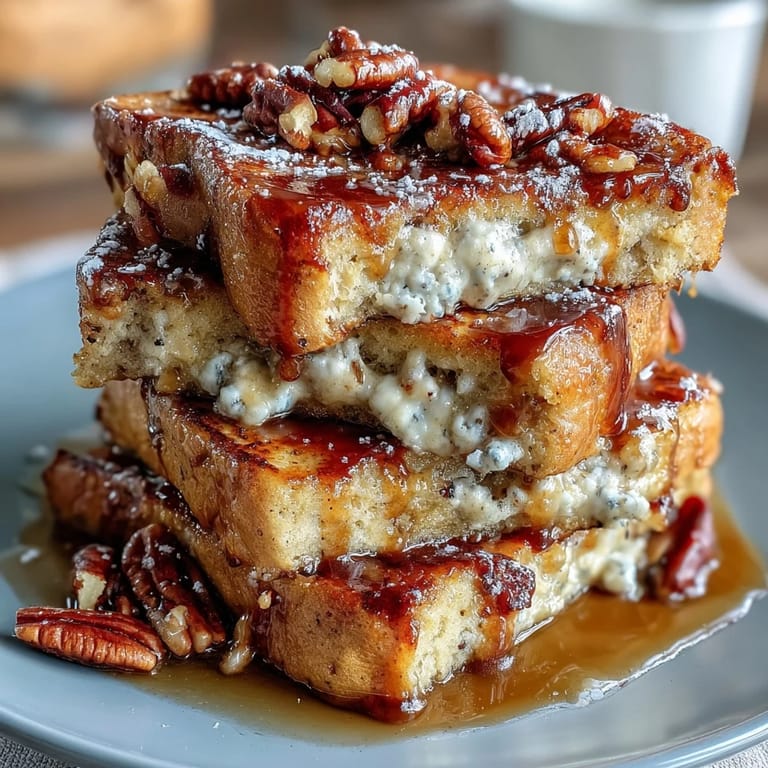
Save There's something deeply satisfying about pulling this out of the oven—the way the edges turn golden brown while the center stays soft, and the whole kitchen fills with that smell of caramelized maple and butter. My kids have started requesting this instead of regular pancakes on Saturday mornings, which tells me everything I need to know about whether it's a keeper.
Why This Becomes a Tradition
This casserole has a way of becoming the dish people ask you to bring to potlucks and holiday brunches. It's not just that it tastes like comfort; it's that you can make it ahead, reheat it gently, and it comes out just as good the second time around. That reliability is rare enough to be worth celebrating, and once your friends taste it warm with that crispy-edged texture and sweet interior, they'll understand why you keep making it.
Variations That Keep Things Interesting
I've experimented with different add-ins over the months, and some combinations have genuinely surprised me. Fresh blueberries stirred into the batter before baking create little pockets of tartness that cut through the sweetness beautifully, while sliced bananas layered into the dish become soft and almost caramel-like as they bake. One autumn, I added a teaspoon of cinnamon and nutmeg to the dry ingredients and suddenly it tasted like fall in a baking dish, which became the version my mother-in-law now requests by name.
Making It Work for Different Diets
The beauty of this recipe is how adaptable it is without losing its soul. Plant-based milk swaps in one-to-one for dairy milk, and coconut oil or vegan butter work perfectly in place of regular butter, which I discovered when my friend's dietary restrictions meant she couldn't eat the original version. The casserole bakes exactly the same, tastes nearly identical, and she felt included rather than like someone eating a sad substitute. Tree nuts are easy to omit if you have allergies in your group, and honestly, pecans are my addition, not a requirement—the dish stands on its own without them.
- Dairy-free doesn't mean flavor-free if you use full-fat plant-based milk and quality vegan butter.
- Nut-free variations work beautifully; just skip the topping or add toasted coconut flakes instead.
- Real maple syrup is worth the investment because imitation syrup simply won't give you the same depth when baked into the casserole.
 Save
Save This casserole has quietly become one of those recipes that makes people feel cared for, even though you barely spent an hour putting it together. That's the kind of dish worth having in your kitchen.
Recipe FAQ
- → How do I achieve a fluffy texture?
Whisk the wet and dry ingredients until just combined, avoiding overmixing to keep the batter light and airy.
- → Can I use nut alternatives?
Yes, you can omit nuts or use seeds like pumpkin or sunflower for added crunch without allergens.
- → What is the best way to swirl the maple syrup?
Drizzle maple syrup over the batter then gently swirl using a knife to create a marbled pattern without mixing completely.
- → How long should the bake cool before serving?
Let it rest for about 5 minutes after baking to set the texture and make slicing easier.
- → Are there dairy-free ingredient options?
Substitute milk and butter with plant-based alternatives like almond milk and vegan butter for a dairy-free version.