 Save
Save As soon as I opened the first bottle of rosé for this cake, the sharp pop and floral aroma made me pause longer than I intended. The anticipation was almost fizzy—would the wine mellow into the batter as beautifully as it did in my glass? The kitchen transformed during baking, filling with the warm scent of cocoa mingling with something slightly sweet and grown-up. What started as a plan for a bridal shower centerpiece became a small science experiment as I fussed with gold luster dust at the kitchen table, hoping for just the right amount of sparkle. It felt quietly celebratory, even before the first slice was cut.
There’s an entire photo album in my phone dedicated to the bridal shower where this cake sat on a table surrounded by giggling friends and rose petals. Someone managed to get a smear of buttercream on their nose while slicing it—setting off a round of toast-worthy laughter. I remember sneaking an extra swirl of the shimmered gold drip onto the side just before carrying it out, praying everything would hold together. Watching the bride’s eyes widen with delight as she took her first bite still makes me smile. It was one of those rare afternoons where every detail fell perfectly into place.
Ingredients
- All-purpose flour: Gives the cake structure and a fine crumb; I found sifting prevents dense patches.
- Granulated sugar: Sweetens the batter and helps the layers brown gently—don’t skimp, but whisk it in thoroughly to avoid any grittiness.
- Baking soda: Adds lift for light, tender layers; always check yours is fresh for the best rise.
- Fine salt: Adds just enough contrast to underline the sweet, winey notes in the cake.
- Unsweetened cocoa powder: Deepens the flavor and helps the pink color pop.
- Vegetable oil: Keeps the cake incredibly soft and moist long after it’s served.
- Large eggs, room temperature: Bring richness and help hold everything together—set them out ahead to blend smoothly.
- Buttermilk, room temperature: Adds a subtle tang and helps the crumb stay tender; don’t rush this, as it’s worth the wait.
- Rosé wine: Choose a dry or sparkling bottle—something you’d drink on its own—for the prettiest floral notes.
- Vanilla extract: Complements the rosé with gentle warmth.
- White vinegar: It reacts with the soda for extra lift, and you won’t taste it in the finished cake.
- Pink or rose gel food coloring: Food gel works best here for a vivid blush shade without thinning the batter.
- Unsalted butter, room temperature: Forms the base of the buttercream and turns fluffy if you beat it well.
- Powdered sugar, sifted: Makes the buttercream silky smooth; make sure to sift for no clumps.
- Heavy cream: Used for the gold drip—it must be fresh to help the white chocolate stay shiny.
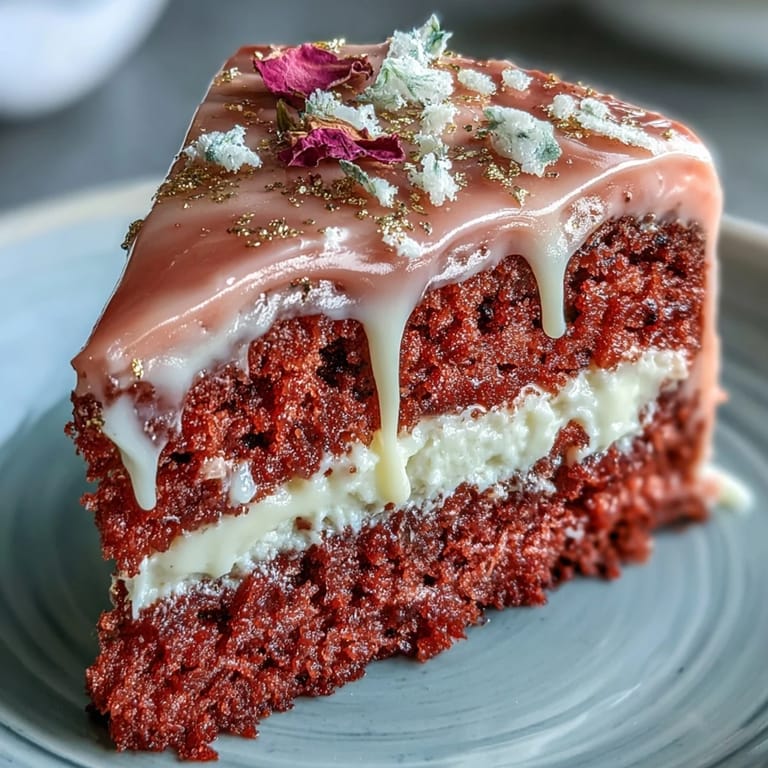
- White chocolate chips: They turn into a voluptuous drip for gilding the cake’s edges.
- Gold luster dust and vodka or clear lemon extract: Creates that Instagram-worthy shimmer when painted onto cooled drips—stick with edible dust only.
- Optional: Edible gold accents, rose petals, or berries: These aren’t just pretty—they make for a party-perfect finish when scattered on top.
Tired of Takeout? 🥡
Get 10 meals you can make faster than delivery arrives. Seriously.
One email. No spam. Unsubscribe anytime.
Instructions
- Prep the pans:
- Grease and line three 8-inch cake pans with parchment—you’ll thank yourself later when the layers slip right out.
- Combine dry ingredients:
- Sift flour, sugar, baking soda, salt, and cocoa into a large bowl, letting the powder fall like confetti as you whisk to lighten.
- Mix the wet team:
- Whisk together oil, eggs, buttermilk, rosé, vanilla, and vinegar until it’s glossy and smooth, breathing in the scent as wine meets vanilla.
- Bring it together:
- Gently mix the wet ingredients into the dry, stopping as soon as no streaks remain; swirl in gel food coloring a little at a time for the perfect rosy hue.
- Bake the cake:
- Divide batter among pans and bake at 350°F until a toothpick comes out clean—expect a faintly crackled surface and a hint of pink steam.
- Cool the layers:
- Let cakes settle in the pans before turning out onto a rack to cool completely; resist the urge to frost while warm.
- Make buttercream:
- Beat butter until nearly white and feather-light, then add powdered sugar gradually, letting each addition disappear before pouring in the rosé and vanilla.
- Creaminess check:
- Beat until fluffy, adjusting texture with extra wine or sugar; you want a plush but not runny consistency.
- Stack and crumb-coat:
- Level layers if needed, sandwich with buttercream, cover in a thin coat, and chill—this locks in stray crumbs and rewards your patience.
- Gold drip magic:
- Melt white chocolate and cream for a glossy ganache, let it cool, then mix gold luster dust with vodka or lemon extract for a paint.
- Finish and decorate:
- Drizzle the cooled chocolate around the cake’s rim, letting it cascade down, then carefully brush each drip with edible gold for a gleaming finish.
- Add the details:
- Scatter edible accents, petals, or berries on top if you’re feeling festive, and admire your work before slicing.
 Save
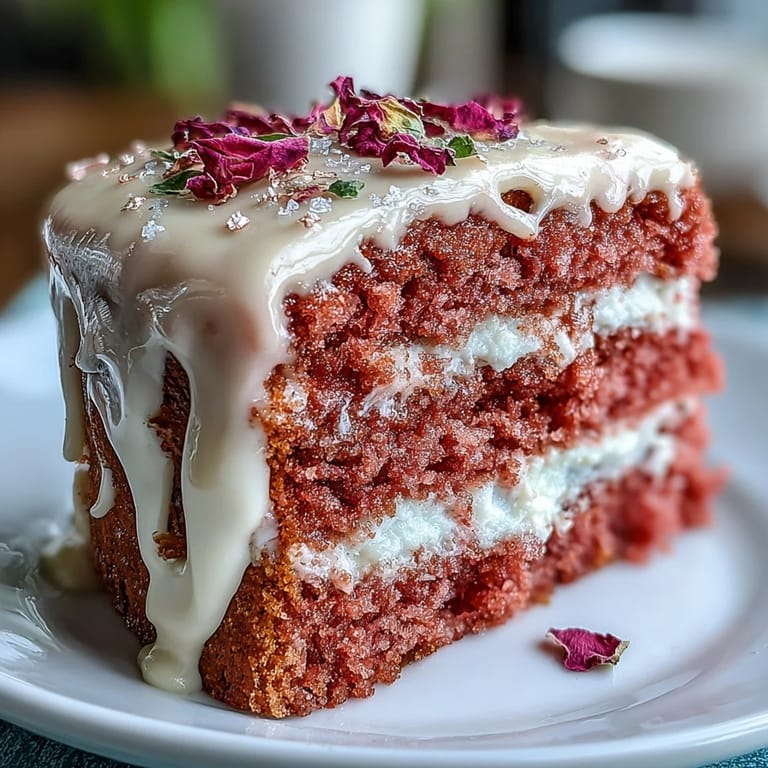
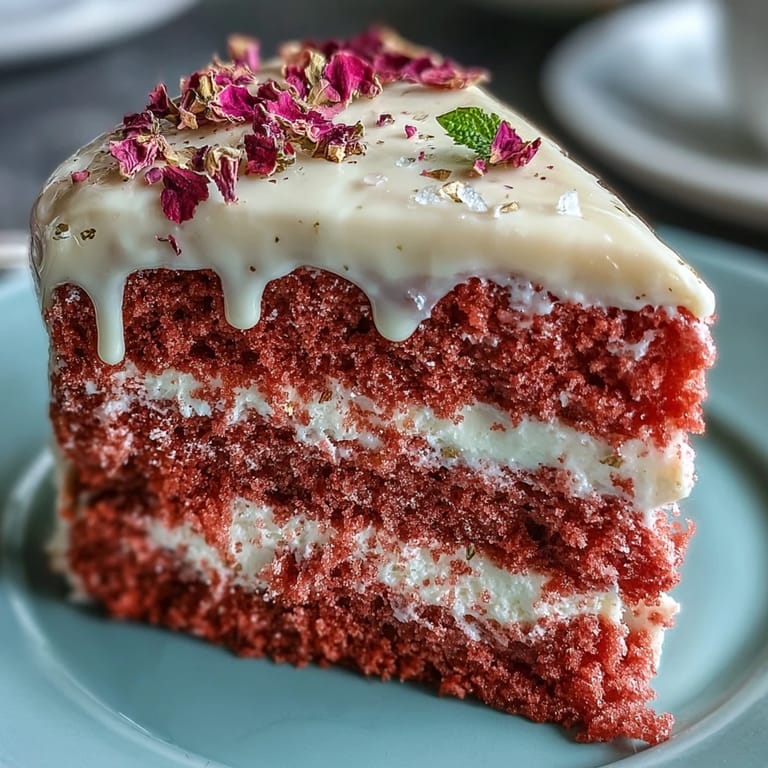
Save I still remember the look on my best friend’s face when she hesitated before the first cut—equal parts excitement, nerves, and not wanting to ruin something so pretty. That moment, surrounded by laughter and a table full of friends, made me realize how much joy a single cake can bring. At that gathering, everyone took an extra photo before diving in, wanting to preserve the glitter and pink layers just a second longer. It went from just a dessert to centerpiece, memory maker, and conversation starter in one go. I’d make it all over again just for that atmosphere.
When to Make This Stunner
This cake is most at home at bridal showers, engagement parties, or anywhere a bit of flair is encouraged. The shimmer and pink hue turn even a simple table into a celebration. I’ve even made it for a summer birthday dinner, when a bottle of chilled rosé on the side felt especially right. If you love baking for a crowd, this is your chance to pull out all the stops. A few kitchen guests usually gather, eager to watch those gold drips happen in real time.
Troubleshooting and Quick Fixes
If your drips run all the way to the plate, the ganache is probably too warm—wait a couple minutes and try again on a chilled cake. For dense spots in the crumb, double-check that everything is sifted and your eggs aren’t too cold. If the layers dome, let them cool, then use a serrated knife and neat, gentle pressure to level before frosting. Don’t panic over imperfect drips—they look especially beautiful once the cake is dressed and shimmering. And if someone nicks a corner when slicing, a few rose petals can cover it up perfectly.
Decorating with Confidence
Swirling on the buttercream and painting gold accents turns baking into a mini art project. I lean into the imperfect, hand-painted look—no two cakes have exactly the same drizzle, and friends always notice your handiwork. Let each drip set before painting so you don’t smudge. A handful of extra rose petals hides any spots you don’t love. The first bite is always met with a happy pause, so have your camera ready for the reaction.
- Test the gold paint on the back of a spoon before starting.
- Chill the cake between steps for best results.
- Don’t forget to clean your paintbrush between colors.
 Save
Save Baking this cake is a celebration in itself: equal parts play, patience, and a touch of gold. Here’s to many sparkling moments and slices shared among friends.
Recipe FAQ
- → How much rosé should be used in the batter and buttercream?
Use about 1/2 cup (120 ml) of rosé in the batter and 3–4 tablespoons in the buttercream, adjusting the buttercream consistency with more powdered sugar or a splash more wine as needed.
- → Can I use sparkling rosé instead of still rosé?
Yes—dry or sparkling rosé both add a subtle floral note. If using sparkling, let it rest briefly after opening; flavor differences are subtle and generally work well in both batter and buttercream.
- → What’s the best way to get an even pink color?
Use gel or paste food coloring for a vibrant, concentrated hue without adding extra liquid. Add a little at a time to reach the desired rosy shade.
- → How do I make a stable rosé buttercream?
Beat room-temperature butter until light and creamy, add sifted powdered sugar gradually, then incorporate rosé and vanilla. Chill briefly if it becomes too soft, and adjust with more sugar for stiffness or a splash of wine for a softer finish.
- → How is the edible gold drip made safe and shiny?
Make the drip from melted white chocolate and cream, cool slightly before pouring so it holds shape. Mix edible gold luster dust with a small amount of vodka or clear extract to paint the drips; ensure the luster dust is labeled edible.
- → How should the cake be stored and prepared ahead of time?
The cake can be made a day ahead and refrigerated. Before serving, bring it to room temperature for about 30–60 minutes to soften the buttercream and enhance flavors.