 Save
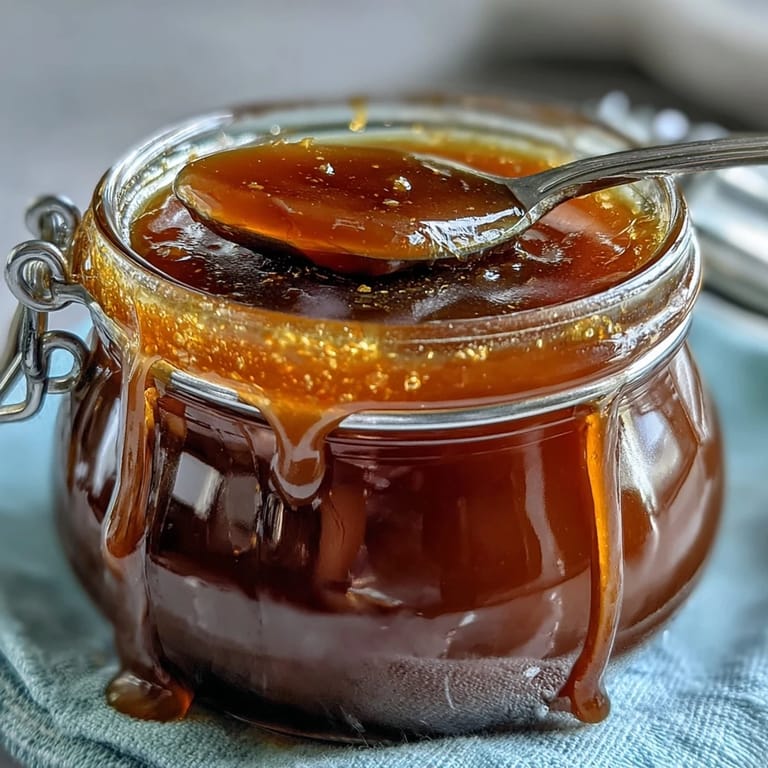
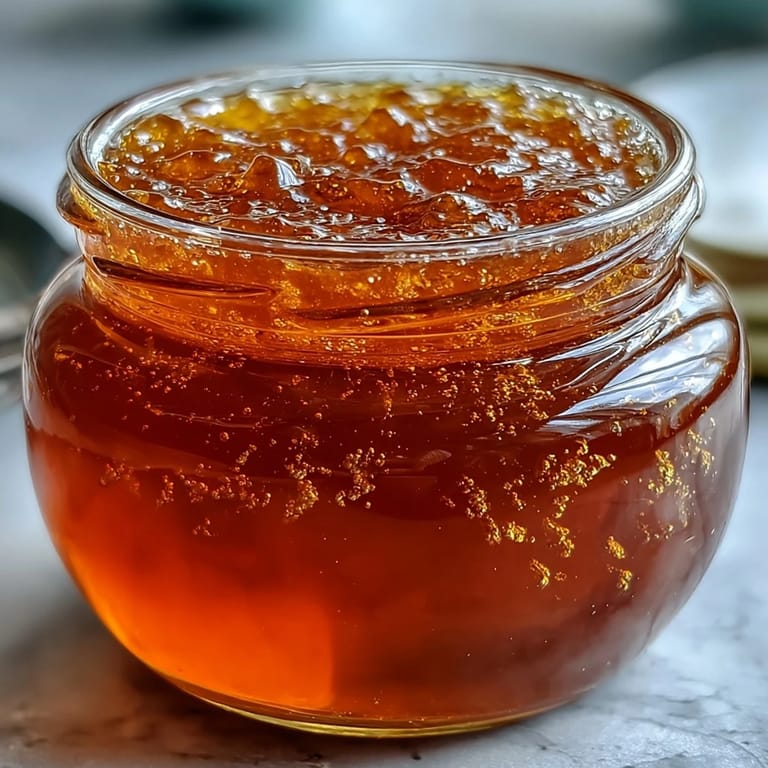
Save There's something magical about capturing the essence of spring in a jar. Dandelion jelly is a delicate, floral preserve that transforms those cheerful yellow blooms dotting your lawn into a golden, translucent spread with a subtle honey-like sweetness. This foraged delicacy has been cherished for generations, turning what many consider a weed into a gourmet treasure. The process is simple yet rewarding, requiring just a handful of ingredients and a bit of patience as the dandelion petals steep and release their gentle, sunny flavor into a beautiful amber infusion.
Save Foraging dandelion petals is best done on a sunny morning when the flowers are fully open. Choose only blossoms from pesticide-free areas—away from roadsides and chemically treated lawns. The key to achieving that pure, sweet flavor is removing all the green parts, as these contain the bitter compounds dandelions are known for. With just the sunny yellow petals, you'll create an infusion that's remarkably smooth and floral, reminiscent of chamomile tea with hints of honey.
Ingredients
Tired of Takeout? 🥡
Get 10 meals you can make faster than delivery arrives. Seriously.
One email. No spam. Unsubscribe anytime.
- 2 cups dandelion petals (yellow parts only, tightly packed, pesticide-free)
- 4 cups water
- 2 tablespoons lemon juice (freshly squeezed)
- 1 package (1.75 oz / 49 g) powdered fruit pectin
- 4 cups granulated sugar
Instructions
- Step 1: Prepare the Petals
- Prepare the dandelion petals by removing all green parts (sepals and stems), as they can be bitter. This is the most time-consuming part, but essential for a sweet, non-bitter jelly.
- Step 2: Rinse
- Rinse petals gently to remove insects or debris. Pat dry if needed.
- Step 3: Simmer
- In a saucepan, combine petals and water. Bring to a boil, then simmer for 5 minutes.
- Step 4: Steep
- Remove from heat, cover, and let steep for 4 hours (or overnight for a stronger flavor). The longer steep extracts more floral notes.
- Step 5: Strain
- Strain the liquid through a fine mesh sieve or cheesecloth, pressing gently to extract as much as possible. Discard petals. You should have about 3½–4 cups of dandelion infusion.
- Step 6: Add Pectin
- Pour the dandelion infusion into a large pot. Add lemon juice and pectin. Stir well and bring to a rolling boil over high heat.
- Step 7: Add Sugar
- Add sugar all at once, stirring constantly. Return to a rolling boil and boil hard for 1–2 minutes, or until the jelly reaches setting point (220°F / 104°C).
- Step 8: Skim Foam
- Remove from heat. Skim off any foam that has formed on the surface.
- Step 9: Fill Jars
- Ladle hot jelly into sterilized jars, leaving ¼-inch headspace. Wipe rims, seal with lids, and process in a boiling water bath for 10 minutes.
- Step 10: Cool and Store
- Let jars cool undisturbed for 12 hours. Check seals before storing. Properly sealed jars can be stored in a cool, dark place for up to a year.
Zusatztipps für die Zubereitung
Timing is everything when making dandelion jelly. The steeping process can be adjusted to your taste—a shorter steep yields a lighter, more delicate flavor, while an overnight steep produces a more robust, honeyed taste. When bringing the mixture to a boil with the pectin, maintain a vigorous rolling boil that cannot be stirred down. This ensures proper gel formation. Use a candy thermometer to check for the setting point at 220°F (104°C), or perform the classic plate test by placing a small amount on a chilled plate and checking if it wrinkles when pushed. Always sterilize your jars and lids properly to ensure safe preservation. If you're new to canning, follow USDA guidelines for water bath processing times based on your altitude.
Varianten und Anpassungen
For a citrusy twist, add orange zest with the lemon juice to brighten the floral notes. If you prefer a less sweet jelly, reduce sugar slightly and use low-sugar pectin formulated for reduced-sugar recipes. Some foragers like to add a handful of violet petals or rose petals during the steeping process for a more complex floral bouquet. For a spiced version, add a cinnamon stick or a few cardamom pods to the infusion. You can also experiment with replacing half the water with white grape juice for added depth. Remember that reducing sugar significantly may affect the gel, so adjust pectin accordingly.
Serviervorschläge
The jelly is excellent on toast, pancakes, or as a glaze for cakes. Spread it generously on warm buttermilk biscuits or English muffins for a spring breakfast treat. It pairs beautifully with sharp cheeses like aged cheddar or creamy goat cheese on a charcuterie board. Try it as a filling for thumbprint cookies or layer cakes. Stir a spoonful into hot tea for a naturally sweetened, floral beverage. Dandelion jelly also makes a lovely glaze for roasted chicken or pork, adding a subtle sweetness and golden sheen. Gift small jars with a ribbon and a handwritten tag for a charming homemade present that celebrates the season.
 Save
Save Making dandelion jelly is more than just a recipe—it's a celebration of seasonal foraging and the simple joy of transforming nature's gifts into something extraordinary. Each jar captures the warmth of spring sunshine and the ephemeral beauty of those golden blooms. Whether you're spreading it on your morning toast or sharing it with friends, this delicate preserve carries with it a story of patience, care, and connection to the natural world. So the next time you see dandelions dotting your lawn, resist the urge to pull them up, and instead, gather them for this enchanting, golden jelly that tastes like spring itself.
Recipe FAQ
- → How do I prepare dandelion petals for this jelly?
Remove all green parts such as sepals and stems from the yellow petals to avoid bitterness, then rinse gently to clean.
- → What is the purpose of steeping the dandelion petals?
Steeping allows the delicate floral flavors to infuse deeply into the water, enhancing the jelly's taste and aroma.
- → Can I adjust the sweetness of this jelly?
Yes, reducing sugar and using low-sugar pectin will create a less sweet, more balanced floral spread.
- → What tools are essential for making this floral jelly?
A large saucepan, fine mesh sieve or cheesecloth, canning jars with lids, a ladle, a boiling water bath canner, and jar lifter are recommended.
- → How should I store the finished floral jelly?
Once sealed and cooled, store jars in a cool, dark place. Check seals before keeping refrigerated after opening.
- → Is this jelly suitable for special diets?
Yes, it is both vegan and gluten-free, using only natural blossom infusions and common pantry ingredients.