 Save
Save My aunt brought a jar of homemade black currant syrup to a summer dinner, and I watched my uncle pour it over vanilla ice cream like he was handling liquid gold. The way it swirled into the cream, that deep jewel tone catching the light, made me understand why she'd spent an afternoon in the kitchen making it. I had to ask for the recipe that night, and now whenever I make a batch, I'm transported back to that moment of pure, uncomplicated joy over something so simple yet extraordinary.
I remember standing at the stove on a quiet Tuesday morning, the kitchen filled with the most intoxicating smell as those tiny black orbs burst and released their juice. My partner wandered in confused, asking what I was cooking, and when I handed them a spoonful at the end, their eyes widened. That's the moment I realized this syrup was going to become a fixture in our home, a small luxury we could create ourselves.
Ingredients
- Fresh or frozen black currants (500 g): These are the star—tart, complex, and loaded with flavor that makes you wonder why they aren't in every kitchen.
- Granulated sugar (400 g): The amount is carefully balanced to let the currant flavor shine without drowning in sweetness, something I learned by making it too sweet the first time.
- Water (250 ml): This gentle base helps coax every ounce of flavor and juice from the berries.
- Lemon juice (1 tbsp, optional): A squeeze of brightness that makes the whole syrup taste more alive and sophisticated.
Tired of Takeout? 🥡
Get 10 meals you can make faster than delivery arrives. Seriously.
One email. No spam. Unsubscribe anytime.
Instructions
- Prepare and rinse your currants:
- Run your black currants under cool water and pick through them with your fingers, removing any stems or bits of leaf that might have hitched a ride. This takes just a few minutes but makes all the difference in the final texture.
- Simmer the currants gently:
- Combine the currants and water in a medium saucepan and place it over medium heat, letting it come to a gentle simmer. Stir occasionally and watch as the berries soften, split open, and release their deep purple-black juice—this takes about 10 to 12 minutes and smells absolutely wonderful.
- Strain with purpose:
- Pour the cooked mixture through a fine-mesh sieve or cheesecloth into a clean bowl, pressing gently with the back of a spoon to extract every drop of precious juice. Don't rush this step; the more patient you are, the more syrup you'll get.
- Cook the syrup to perfection:
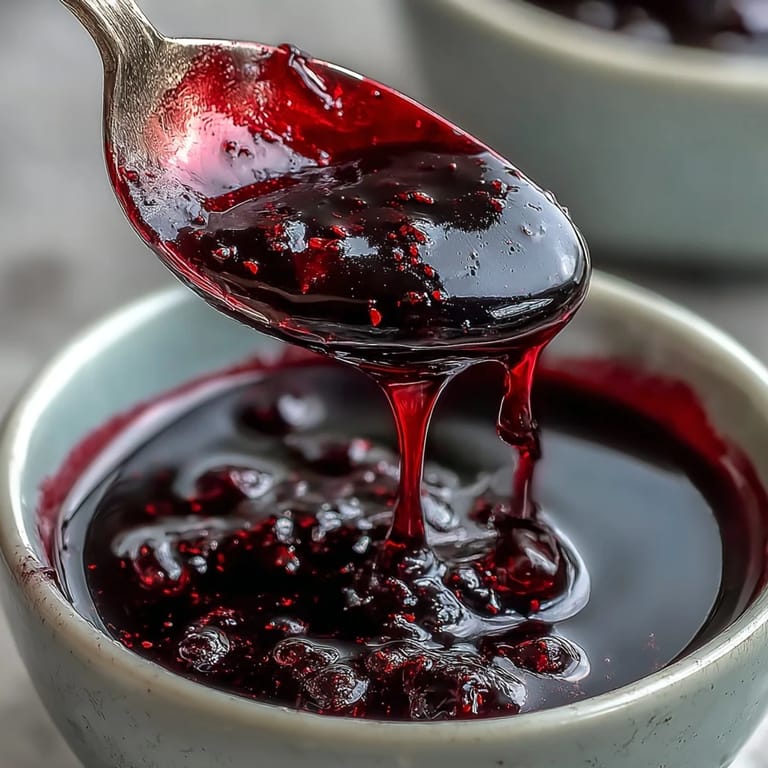
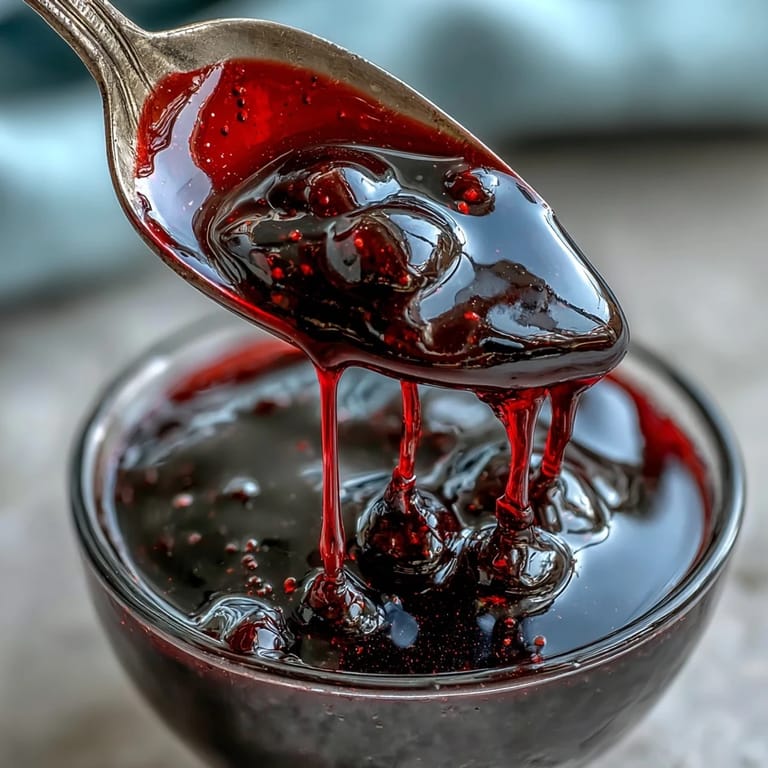
- Return the strained juice to the saucepan, add the sugar and lemon juice if using, and stir until the sugar dissolves completely. Bring it to a gentle boil, then reduce the heat and let it simmer for 10 to 15 minutes, stirring occasionally, until it thickens slightly and coats the back of a spoon.
- Cool and bottle:
- Remove from heat and let the syrup cool to room temperature before pouring it into sterilized glass jars or bottles. This is the satisfying moment when all your work becomes something tangible and beautiful.
 Save
Save There's something almost meditative about making this syrup, watching the transformation from fresh berries to liquid jewels. When my neighbor knocked on my door and I handed her a small jar as a thank you for helping with yard work, she came back the next week to ask if I could make her some to give as gifts—that's when I knew this recipe was worth keeping close.
Getting the Consistency Right
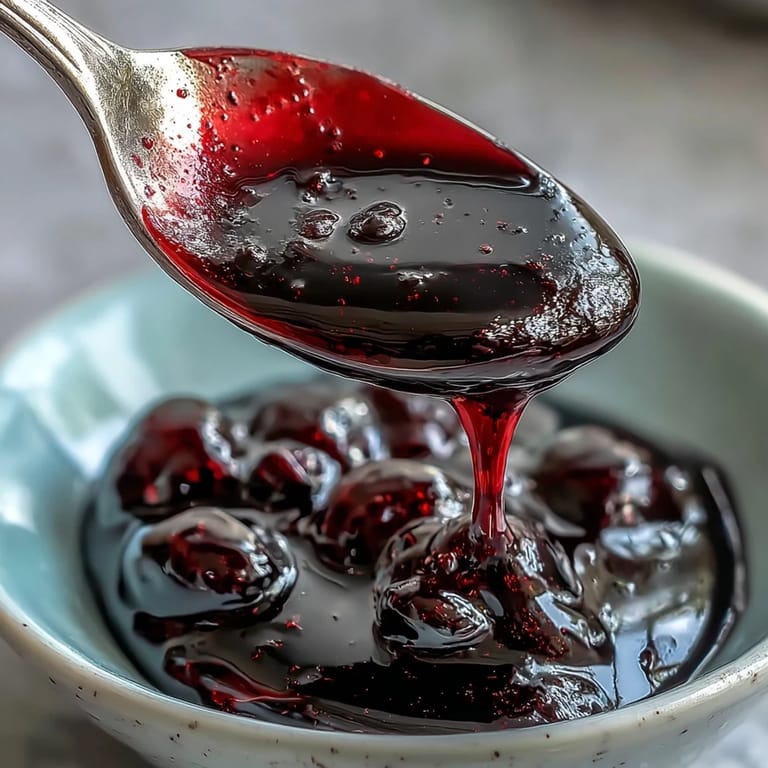
The thickness of your syrup depends on how long you simmer it, and there's no single perfect answer because different kitchens have different stoves. I've learned to test it by dropping a small spoonful onto a cold plate—if it wrinkles slightly when you push it with your finger, you've hit the sweet spot. If you prefer a thicker syrup for drizzling over desserts, add an extra 5 to 10 minutes of simmering time.
Flavor Variations Worth Trying
While the basic recipe is perfect on its own, I've discovered that a small piece of vanilla bean simmered with the juice adds an unexpected elegance, or a pinch of cardamom can make it taste almost mysterious. Some people substitute honey for the sugar, which gives a rounder, less sharp sweetness, though you'll need to taste and adjust as you go. The beauty of homemade syrup is that once you've made it once, you feel confident enough to play around.
Uses That Go Beyond the Obvious
Yes, this syrup is gorgeous over ice cream and pancakes, but I've found it transforms a simple glass of sparkling water into something special, and a spoonful stirred into plain yogurt makes breakfast feel indulgent. It brings depth to cocktails and coffee in ways that commercial syrups never quite manage, probably because there's love baked into every batch. Here are my favorite ways to use it:
- Swirl into vanilla ice cream or drizzle over cheesecake for an instant uplift.
- Stir into sparkling water with fresh mint for a sophisticated drink that feels like a treat.
- Mix into cocktails—gin, vodka, or champagne all take beautifully to its tart complexity.
 Save
Save Making black currant syrup reminds me that some of the best things in life come from a few simple ingredients, a little patience, and the willingness to fill your kitchen with beauty. Once you've made this, you'll find reasons to make it again and again.
Recipe FAQ
- → How do I know when the syrup is ready?
The syrup is ready when it coats the back of a spoon and drips slowly rather than running off quickly. After 10-15 minutes of simmering, check consistency—it should be slightly thicker than water but still pour easily. Remember it will thicken further as it cools.
- → Can I use frozen black currants?
Absolutely. Frozen currants work just as well as fresh and may actually release juice more readily during cooking. No need to thaw first—simply add them directly to the saucepan with water. Adjust simmering time by a few minutes if needed to ensure full juice extraction.
- → What's the purpose of lemon juice?
Lemon juice brightens the naturally tart currants and helps balance the sweetness. It also acts as a preservative, extending refrigerated shelf life. The acidity enhances the ruby-red color and creates a more complex, rounded flavor profile. Add it if you prefer a sharper finish.
- → How long does the syrup keep?
Properly stored in sterilized glass containers, this syrup keeps for up to one month in the refrigerator. Always use clean utensils when serving to prevent contamination. If you notice mold, off smells, or fermentation, discard immediately. For longer storage, freeze in ice cube trays.
- → What can I do with leftover currant pulp?
Don't discard the strained solids! Blend into smoothies, fold into oatmeal, or swirl into yogurt. The pulp still contains fiber and residual flavor. You can also freeze it for later use in baked goods like muffins or quick breads where some texture is desirable.
- → Can I reduce the sugar content?
Sugar acts as both sweetener and preservative, helping the syrup keep longer. You can reduce to 1.5 cups, but the finished syrup will be thinner and have a shorter refrigerated shelf life—about 2 weeks. Alternative sweeteners like honey work but will alter the final flavor profile.