 Save
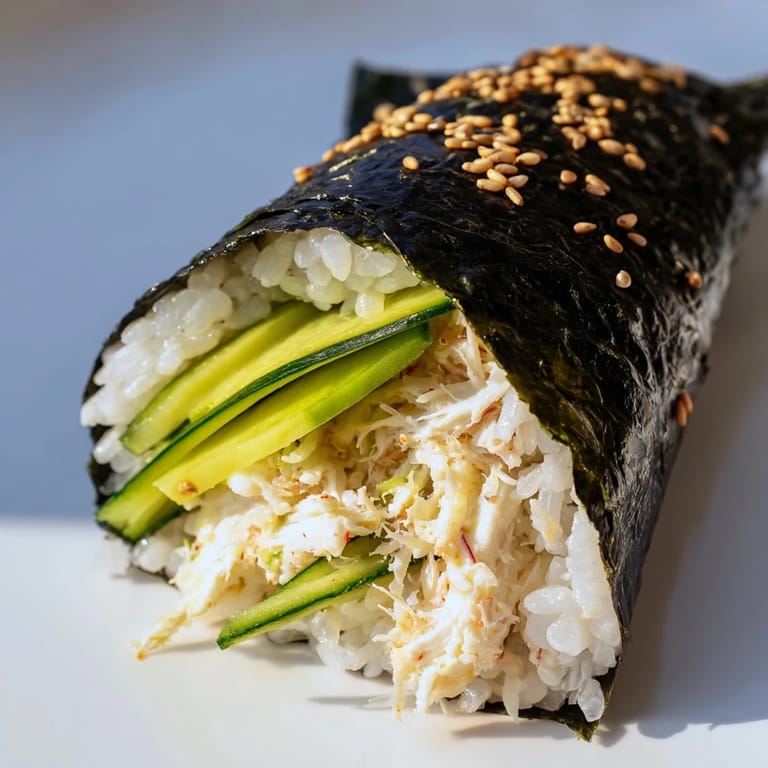
Save There's something about the ritual of hand rolls that pulls me back to a summer evening when my roommate's mom showed up at the door with nori sheets and a bag of sushi rice, insisting we learn to make them together. The kitchen filled with the smell of rice vinegar and toasted seaweed, and suddenly we weren't just cooking—we were creating something you could hold in your palm like a treasure. Now whenever I make these, I get that same feeling of quiet satisfaction, watching the nori roll into a perfect cone around cool, creamy fillings.
I made these for my partner on a Tuesday night when we were both tired, and instead of ordering out, we set up our tiny kitchen counter like a little sushi bar. It took maybe thirty minutes total, and watching them wrap their own roll with careful precision—mayo on the crab, just a sprinkle of sesame—reminded me why home cooking matters. Sometimes the best meals aren't about perfection; they're about showing up for each other in the kitchen.
Ingredients
- Sushi rice (1 cup short-grain Japanese rice): This is non-negotiable—regular rice won't give you that tender, slightly sticky texture that holds everything together. The starch content is what makes hand rolls stay intact.
- Water (1 1/4 cups): The ratio matters more than you'd think; too much makes mushy rice, too little and you'll have hard bits that won't season evenly.
- Rice vinegar (2 tbsp): This adds brightness and keeps the rice from tasting bland—don't skip it or use regular vinegar, as the flavor profile changes completely.
- Sugar and salt (1 tbsp and 1/2 tsp): These dissolve into the vinegar to create a balanced seasoning that coats every grain without being aggressive.
- Avocado (1 ripe one, sliced): The creaminess here is what makes hand rolls feel luxurious; choose one that yields slightly to pressure but isn't mushy.
- Cucumber (1/2 English one, julienned): The crisp contrast against soft rice is essential—this is where texture lives in the roll.
- Crab meat (120 g, shredded): Whether real or imitation, shred it fine so it distributes evenly instead of clumping in one bite.
- Nori sheets (4 halved): The roasted side should face outward; this gives you grip and protects the rice from getting soggy immediately.
- Optional additions: Mayonnaise brings richness to the crab, and toasted sesame seeds add a nutty finish that makes people ask what the secret ingredient is.
Tired of Takeout? 🥡
Get 10 meals you can make faster than delivery arrives. Seriously.
One email. No spam. Unsubscribe anytime.
Instructions
- Rinse and prep the rice:
- Run cold water over the rice in a fine-mesh strainer, stirring gently with your fingers until the water runs almost clear—this removes excess starch that would make the rice gluey and unpleasant. This step is what separates fluffy, distinct grains from a sticky mess.
- Cook with precision:
- Combine rinsed rice and water, bring to a boil, then drop the heat low, cover, and let it steam for 15 minutes undisturbed. After you remove it from heat, let it sit covered for another 10 minutes so the steam finishes the cooking and the grains finish setting.
- Season while warm:
- Dissolve the vinegar, sugar, and salt together first so there are no gritty bits, then fold this into the warm rice gently with a wooden spoon or paddle. If you stir too aggressively, you'll break the grains and end up with mush.
- Cool to room temperature:
- Spread the seasoned rice on a baking sheet or in a shallow bowl and let it cool completely—warm rice will make your nori soggy and will be uncomfortable to handle. This usually takes 15–20 minutes depending on your kitchen temperature.
- Prepare your fillings:
- Slice the avocado just before assembly so it doesn't brown; julienne the cucumber into thin, even matchsticks; and if you're mixing crab with mayo, do that now so it's ready to go. Prep is where hand rolls come together smoothly without fumbling.
- Build your first roll:
- Place a half-sheet of nori shiny side down in your palm (or on a bamboo mat), then spread about 2–3 tablespoons of rice diagonally from one corner, leaving the edges clear so you can fold and seal it. Layer your avocado, cucumber, and crab over the rice in a thin line.
- Roll into a cone:
- Fold the nori corner with the rice up and over the fillings, then roll it tightly into a cone shape by bringing the bottom corner up and wrapping around. Seal the seam with a few grains of rice moistened between your fingers—this acts like edible glue and keeps everything from unraveling.
- Repeat and serve:
- Make the remaining seven rolls, keeping them on a plate until you're ready to eat—nori softens as it sits, so fresh is always better. Serve with soy sauce for dipping, pickled ginger to cleanse the palate between bites, and wasabi if you like heat.
 Save
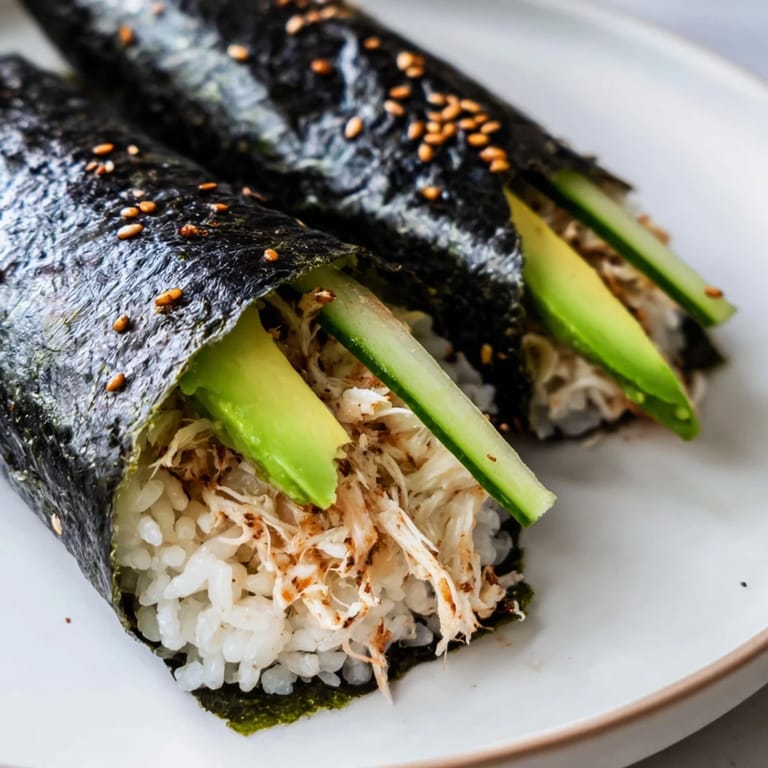
Save I remember a dinner party where I made these, and a friend who swore she didn't like sushi grabbed one, took a bite, and went quiet for a moment. Then she asked for another, then another. There's something about the handheld nature of them, the way you control every bite, that makes even skeptics rethink what they thought they wanted.
The Art of Rice Seasoning
The difference between mediocre and memorable sushi rice comes down to patience and temperature. I learned this the hard way by rushing the cooling step and wondering why my rolls fell apart immediately. Seasoning warm rice lets the vinegar penetrate each grain, creating that subtle tang that makes you crave another roll. Cold rice just has vinegar sitting on the surface, which tastes harsh and unbalanced.
Customizing Your Fillings
These hand rolls are forgiving in the best way—you can swap proteins, add greens, or experiment with different seasonings without ruining anything. I've made them with smoked salmon on a Sunday, cooked shrimp on a Thursday, and once with shredded rotisserie chicken when crab wasn't in the budget. Each version felt fresh and different, which means you'll actually want to make them again instead of getting tired of the same thing.
Timing and Texture Matters
The moment you finish rolling is the moment it's best to eat—nori stays crisp and grips the rice, avocado is still perfect, and everything maintains its individual texture instead of bleeding together. If you're making these for guests, roll them as people are sitting down or assembling them individually so everyone gets the full experience. The joy of a hand roll is partly the texture contrast, so don't let them sit wrapped in plastic for hours.
- Have all your fillings prepped and arranged before you start rolling so you're not hunting for ingredients mid-construction.
- If you're nervous about rolling, practice with an empty half-sheet first to get a feel for the motion without pressure.
- Keep a small bowl of water nearby to wet your fingers for sealing; dry rice won't stick to itself, but a tiny bit of moisture does the trick.
 Save
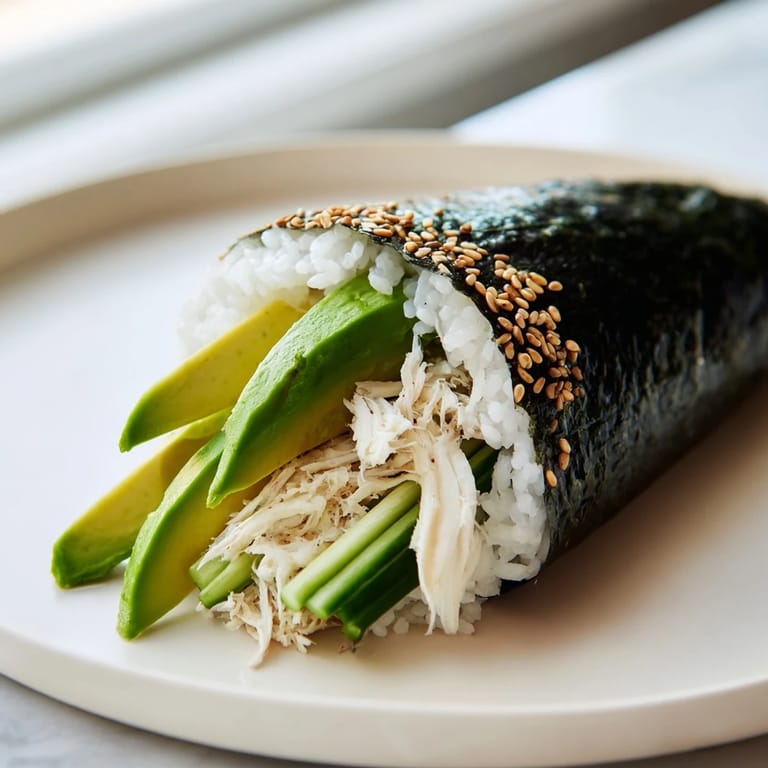
Save Hand rolls remind me that cooking doesn't have to be complicated to feel intentional and kind. These are done in less than an hour, taste like you spent all day, and make whoever eats them feel cared for.
Recipe FAQ
- → How is the sushi rice prepared for the hand rolls?
Rinse the rice until water is clear, then simmer with water. Once cooked, mix in a blend of rice vinegar, sugar, and salt to season, and cool to room temperature before use.
- → Can the crab filling be substituted?
Yes, cooked shrimp or smoked salmon can replace crab for different flavors while maintaining a fresh seafood profile.
- → What is the best way to roll the hand rolls?
Place a half sheet of nori shiny side down, spread a thin layer of rice diagonally, add fillings, then roll into a tight cone starting from the rice corner, sealing with a few grains of rice.
- → Are there any serving suggestions for these hand rolls?
Serve immediately with soy sauce, pickled ginger, and wasabi to complement and enhance the fresh ingredients.
- → How can I add a spicy element to these hand rolls?
Mix a small amount of Sriracha into the crab mixture for a subtle spicy kick that pairs well with the creamy and fresh flavors.