 Save
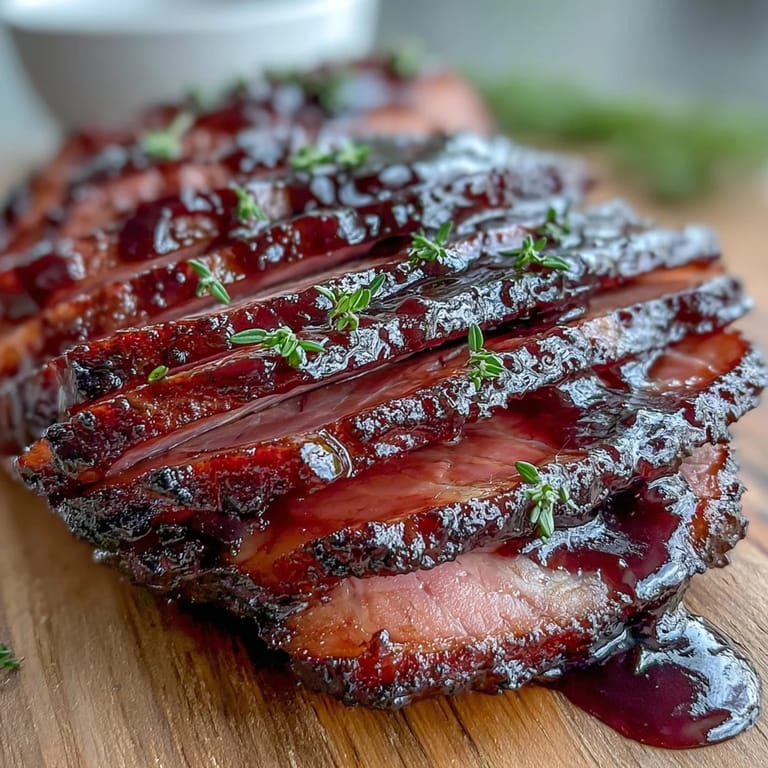
Save My grandmother kept a small jar of black currant preserves in her pantry that somehow made every roasted chicken taste like a celebration. One Sunday, I was tasked with saving a rather bland ham for dinner, and she handed me that jar with a knowing smile, whispering that a good glaze was the difference between forgettable and memorable. That moment taught me that sometimes the best kitchen magic comes from combining things that shouldn't work together on paper but absolutely do on the plate.
I made this glaze for the first time at a potluck where I was genuinely nervous, and someone asked me where I'd learned to make it, as if I'd attended some fancy culinary school. The truth was messier and more honest: I'd combined what was in my pantry and hoped for the best. When everyone started glazing their plates with it, I realized that confidence in the kitchen often comes not from perfection but from trusting your instincts enough to try something unexpected.
Ingredients
- Black currant preserves: The star ingredient that gives this glaze its distinctive tartness and deep color; if you can't find black currant, red currant or cherry preserves work beautifully as substitutes.
- Balsamic vinegar: Adds depth and a subtle woody note that keeps the glaze from tasting one-dimensionally sweet.
- Honey: Rounds out the acidity with gentle sweetness and helps the glaze achieve that signature glossy finish.
- Dijon mustard: Brings a quiet sophistication and helps emulsify everything together while adding a slight savory edge.
- Unsalted butter: Creates richness and helps marry all the flavors into a cohesive sauce.
- Brown sugar: Deepens the flavor profile and contributes to that caramelized quality when the glaze simmers.
- Fresh thyme leaves: Optional but genuinely transforms the glaze from good to something you'll keep making; the herbal note cuts through the sweetness beautifully.
- Ground black pepper and salt: Final adjustments that make all the other flavors pop without announcing themselves.
Tired of Takeout? 🥡
Get 10 meals you can make faster than delivery arrives. Seriously.
One email. No spam. Unsubscribe anytime.
Instructions
- Gather and combine your base:
- Measure the black currant preserves, balsamic vinegar, honey, Dijon mustard, butter, and brown sugar into a small saucepan, letting everything sit together before heat touches it. There's something satisfying about seeing all these different elements waiting to become one thing.
- Melt and smooth:
- Set the pan over medium heat and stir constantly as the butter melts and the mixture transforms from chunky to silky. You'll notice the color deepening as the ingredients break down and find each other, usually taking about two to three minutes.
- Season and add character:
- Sprinkle in the thyme leaves if using them, then the black pepper and a small pinch of salt, stirring gently to distribute. Taste as you go, because sometimes you'll want slightly more pepper or another whisper of salt depending on your preserves.
- Simmer until glossy:
- Lower the heat slightly and let the glaze bubble gently for five to seven minutes, stirring every minute or so, until it coats the back of a spoon and looks like liquid amber. You'll know it's ready when dripping a spoonful onto a cold plate shows how it sets.
- Cool and use:
- Remove from heat and let it cool for just a minute before brushing over your protein or vegetables during the last stretch of cooking. The residual heat will help it stick while the glaze continues to caramelize slightly against the food.
 Save
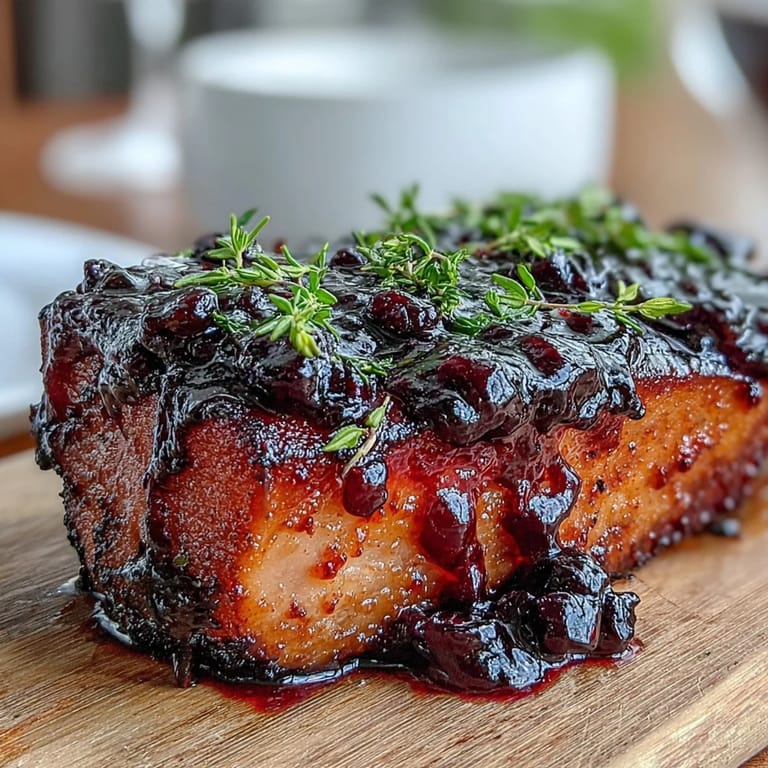
Save The first time someone came back for seconds of ham glazed with this, asking for the recipe, I felt the small quiet joy that comes from feeding people something that made them happy. There's something deeply satisfying about knowing that five minutes of your time and a handful of pantry staples created a memory.
When This Glaze Shines Brightest
This glaze is particularly magical on pork because the meat's natural sweetness echoes the black currant while the acidity cuts through the richness. Duck becomes dramatically more elegant, roasted root vegetables taste like they belong at a special dinner instead of a regular Tuesday, and even chicken takes on a restaurant quality that surprises people.
The Flavor Puzzle It Solves
Many glazes live in one flavor lane: pure sweet or pure savory, but this one occupies the space between, which is where food becomes interesting. The mustard whispers without shouting, the vinegar provides structure, and the black currant brings something your guests will taste but won't quite be able to name, asking themselves why this tastes so complete.
Making It Your Own
The beauty of this glaze is how forgiving it is to small adjustments based on what you have or what you're cooking. A splash more vinegar if you want brightness, an extra tablespoon of honey if your preserves lean tart, a pinch of cayenne if you want heat sneaking in the background.
- If you're glazing vegetables, apply the glaze halfway through cooking so it caramelizes with the natural sugars in the vegetables.
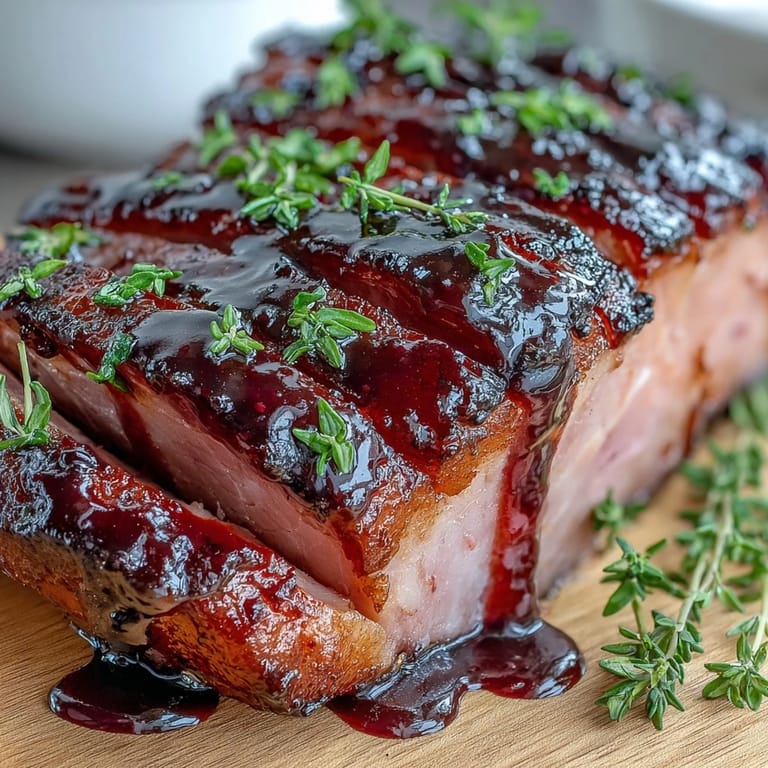
- For ham or larger roasts, brush it on during the final thirty minutes so it builds layers of flavor without burning.
- Leftover glaze keeps beautifully in the fridge for a week and works as a sauce alongside roasted meats or even swirled into plain yogurt for a surprising appetizer.
 Save
Save This small pot of glaze has quietly become one of my most reliable ways to turn an ordinary dinner into something that feels intentional and special. Keep it in your back pocket for the moments when you want to cook something memorable without making it complicated.
Recipe FAQ
- → What dishes pair best with black currant glaze?
This glaze works beautifully with roasted pork, chicken, duck, glazed ham, and root vegetables. The tangy-sweet profile complements rich meats and adds depth to roasted vegetables.
- → Can I make this glaze ahead of time?
Yes, prepare the glaze up to 1 week in advance and store it in a sealed jar in the refrigerator. Reheat gently before using to regain the ideal brushing consistency.
- → What can I substitute for black currant preserves?
Red currant preserves or cherry preserves work well as alternatives. Both provide similar tartness and consistency, though the flavor profile will shift slightly.
- → Why strain the glaze before using?
Straining through a fine mesh sieve removes any fruit pulp or seeds, resulting in an ultra-smooth, professional-grade glaze that coats evenly without texture variations.
- → When should I apply the glaze during cooking?
Brush onto meats or vegetables during the last 20–30 minutes of cooking. This allows the sugars to caramelize without burning, creating a beautiful glossy finish.
- → Is this glaze suitable for special diets?
This glaze is vegetarian and gluten-free. For a dairy-free version, substitute the butter with an equal amount of olive oil or vegan butter alternative.