 Save
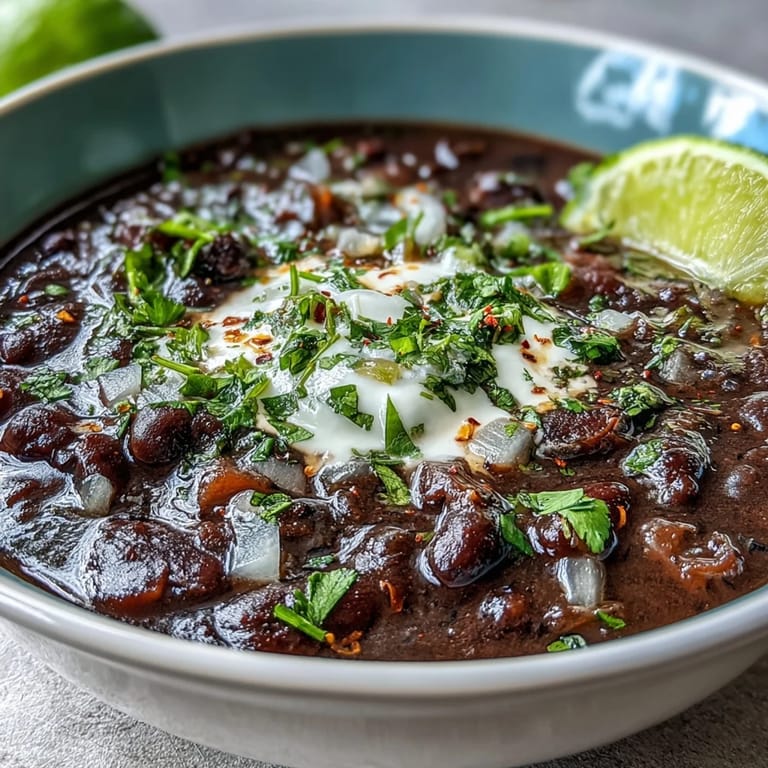
Save My neighbor stopped by on a gray afternoon with a bag of black beans from her garden and asked if I knew what to do with them. I didn't have a plan, but standing in my kitchen watching the steam rise from a pot, I realized this soup—warm, deeply spiced, and endlessly forgiving—would be exactly what we both needed. There's something about black beans that feels substantial without being heavy, like they're holding onto stories of long, slow cooking. That day turned into many other days of making this, each time tweaking the spices or adding what felt right. Now it's the first thing I reach for when the weather turns cool and someone mentions they're hungry.
I made this soup for my roommate during her first rough week at a new job, ladled it into bowls with a generous dollop of sour cream and fresh cilantro. She said it tasted like someone cared, which I think is the highest compliment soup can receive. Since then, it's become the dish I make when I want to show up for people without overthinking it.
Ingredients
- Olive oil: Use something you actually like the taste of, because it's one of the few fats here and it carries flavor into every spoonful.
- Yellow onion, garlic, carrot, and celery: This trio is the foundation of everything—don't rush chopping them, and don't skip any one of them.
- Black beans: Canned works brilliantly, but rinsing them really does matter because it removes that starchy liquid that can make the soup taste tinny.
- Diced tomatoes: Buy whole canned tomatoes if you can find them and crush them yourself; they have more actual tomato flavor than pre-diced versions.
- Vegetable broth: This is where your soup either sings or falls flat, so taste whatever brand you're using before committing to the whole pot.
- Cumin, smoked paprika, chili powder, oregano, and coriander: These spices are doing the heavy lifting, so buy them fresh if you can and don't be shy with them.
- Salt, pepper, and cayenne: Start conservative with the cayenne unless you know you like heat, and always taste before serving because you can add more.
Tired of Takeout? 🥡
Get 10 meals you can make faster than delivery arrives. Seriously.
One email. No spam. Unsubscribe anytime.
Instructions
- Build your aromatics:
- Pour the olive oil into a large pot and let it warm over medium heat until it shimmers slightly. Add the onion, carrot, and celery, stirring them around so they get coated in oil, and let them soften for about five minutes until the onion turns translucent at the edges.
- Wake up the garlic:
- Add the minced garlic and stir constantly for about a minute—you'll smell when it's ready, that moment when raw garlic transforms into something sweet and fragrant.
- Toast your spices:
- Sprinkle in all your spices at once: cumin, smoked paprika, chili powder, oregano, coriander, salt, pepper, and cayenne if you're using it. Stir everything together and let it cook for exactly one minute, which blooms the flavors and fills your kitchen with this incredible warmth.
- Combine everything:
- Add the drained black beans, the canned tomatoes with their juices, and the vegetable broth. Stir until everything is mixed and nothing is sticking to the bottom of the pot.
- Let it simmer:
- Bring the soup to a boil, then turn the heat down to medium-low and let it bubble gently for about twenty-five minutes. Stir it every so often, not because it needs it, but because it's nice to check in on something you're cooking.
- Create the texture:
- This is where you decide how creamy you want it. If you have an immersion blender, use it to blend about half the soup while it's still in the pot, leaving some beans and vegetables whole. If not, carefully ladle half the soup into a regular blender, blend it until smooth, and pour it back in.
- Taste and adjust:
- This is the most important step and nobody talks about it enough. Taste a spoonful, and be honest about what it needs—more salt, more heat, more depth—and add it slowly.
- Serve with intention:
- Ladle the soup into bowls while it's hot, and let people choose their own garnishes. Some will want sour cream and cilantro, others will reach for avocado and lime, and that's the beauty of this soup.
 Save
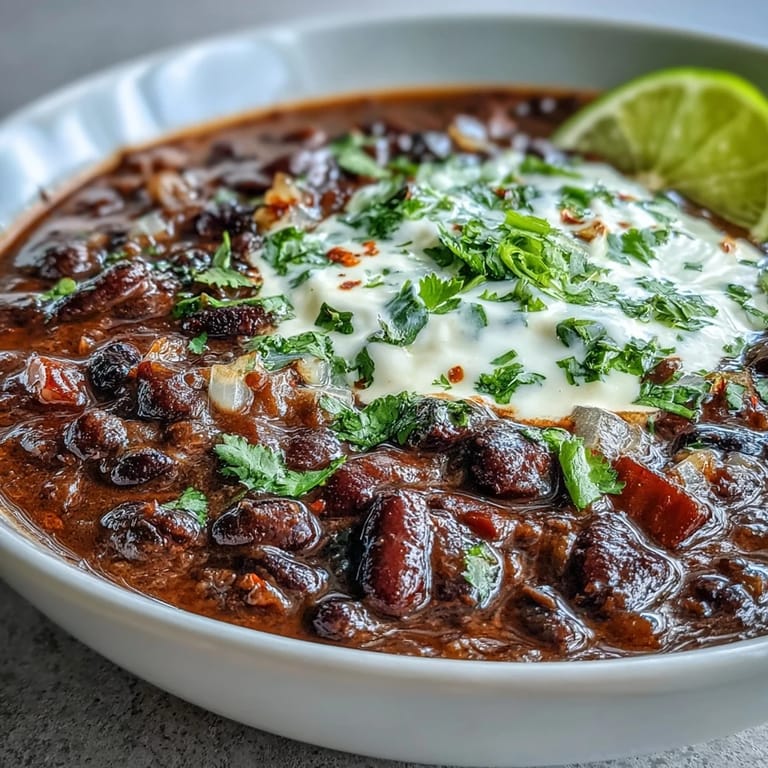
Save There was a night when I made this soup and forgot about the simmering pot while having a long phone call with an old friend. When I came back, it had been cooking for almost forty minutes instead of twenty-five, and somehow that accident made it even better—thicker, more concentrated, like the flavors had found their true form. I've never quite replicated that version, but it taught me that this soup is forgiving enough to handle mistakes.
Why This Soup Works Year-Round
I used to think of this as a winter soup, something to make when the radiators were clanking and the windows were fogged. Then I made it in July and served it cold with extra lime and cilantro, and my idea of when soup belongs shifted entirely. It's dense enough to feel like a real meal but light enough that it doesn't weigh you down, which is exactly why it survives temperature changes and seasons so well.
The Blending Decision
Some people are nervous about using an immersion blender, worried they'll either leave it too chunky or accidentally turn everything into paste. The truth is there's no wrong move here—if you like it thick and creamy, blend most of it. If you prefer it brothier with distinct beans and vegetables, barely blend at all. I've learned that the best version is always the one you actually want to eat, not the one the recipe book insists on.
Building Flavor Beyond the Recipe
This soup is a starting point, not a prison. I've added coconut milk when I wanted something richer, stirred in a splash of apple cider vinegar when it felt flat, and even thrown in a whole jalapeño when I wanted to challenge myself. The base is strong enough that it can handle your experiments, which makes it one of my favorite things to cook because it invites improvisation.
- Stir in a splash of coconut milk or a dollop of sour cream just before serving if you want richness without changing the whole soup.
- A squeeze of fresh lime juice at the end brightens everything, so always have limes on hand even if you don't think you'll use them.
- This freezes beautifully for up to two months, so make a double batch and give your future self an easy dinner.
 Save
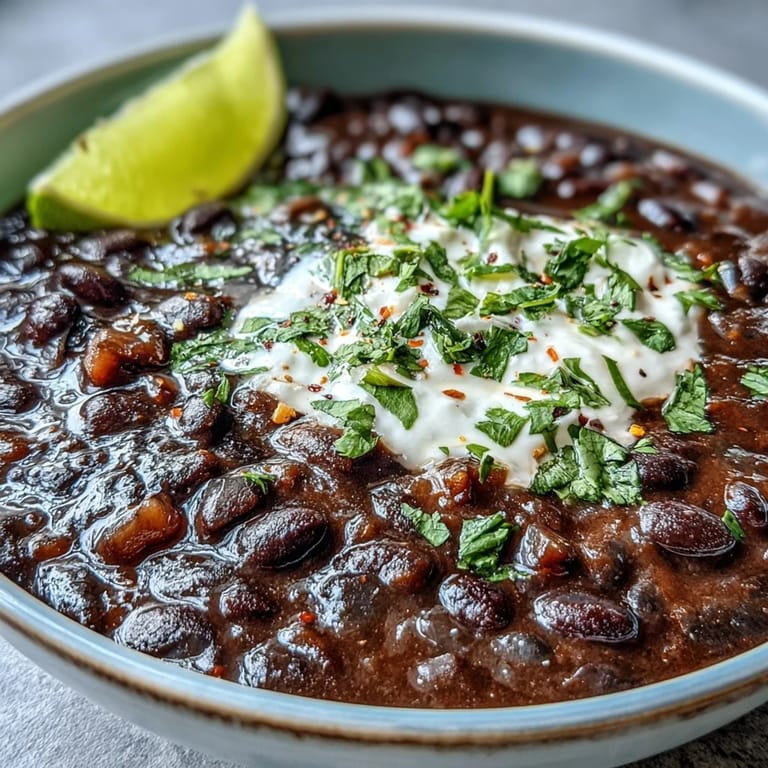
Save There's something quiet and honest about this soup, the way it fills a kitchen with warmth without asking for much in return. Make it when you need comfort, when you want to feed someone, or just because a cold afternoon deserves something better than whatever's easiest.
Recipe FAQ
- → Can I make this soup without a blender?
Yes! You can mash some of the beans against the side of the pot with a wooden spoon to thicken the broth. The texture will be chunkier but still delicious and satisfying.
- → Is this soup freezer-friendly?
Absolutely. This soup freezes well for up to 2 months. Let it cool completely before transferring to airtight containers. Thaw overnight in the refrigerator and reheat gently on the stovetop.
- → How can I make this soup spicier?
Add a chopped jalapeño pepper when sautéing the vegetables, increase the cayenne pepper to 1/2 teaspoon, or add extra chili powder. You can also serve with hot sauce on the side for customizing heat levels.
- → Can I use dried black beans instead of canned?
Yes, soak and cook about 1 cup dried black beans until tender (approximately 1-1.5 hours simmering time). Use 3 cups cooked beans in place of the canned beans. You may need to adjust the broth amount slightly.
- → What makes this soup creamy without dairy?
Partially blending the soup creates natural creaminess from the beans themselves. The starch released from the black beans during blending thickens the broth beautifully without any cream needed.
- → Can I make this in a slow cooker?
Sauté the vegetables and spices first, then transfer everything to your slow cooker. Cook on low for 6-7 hours or high for 3-4 hours. Blend partially before serving. You may need slightly less broth since less liquid evaporates.