 Save
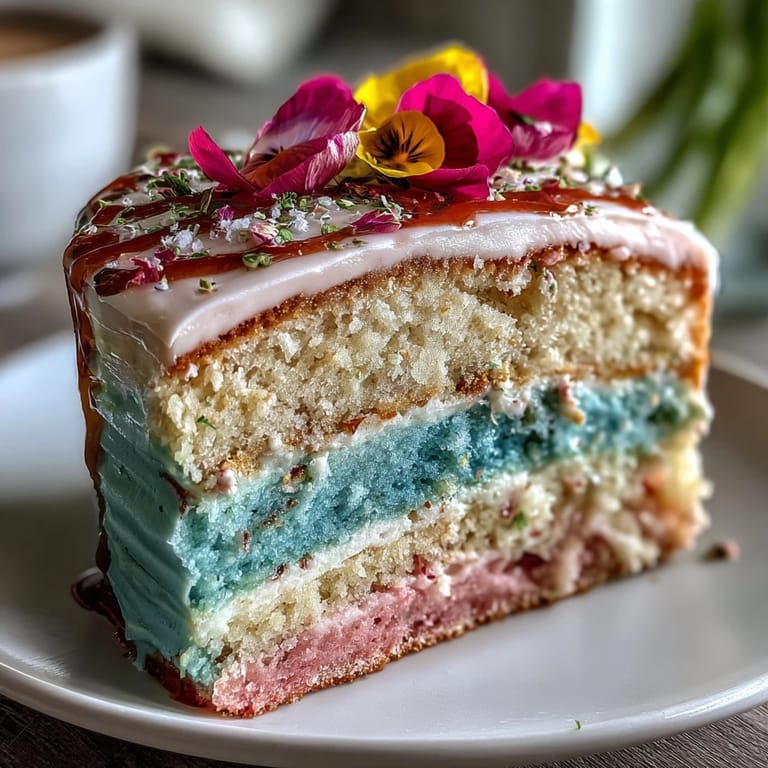
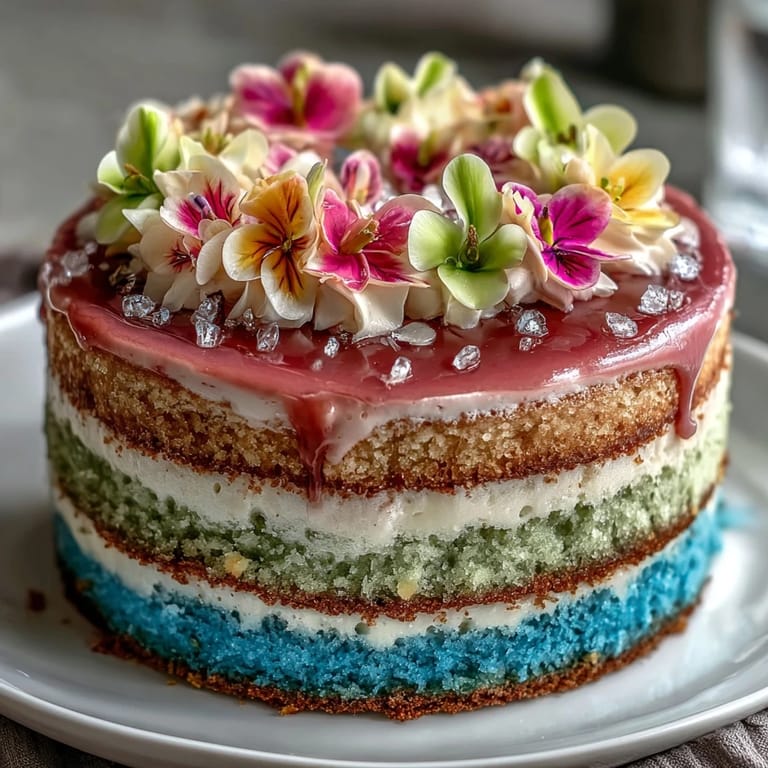
Save The first hint of spring always gets me itching to bake something bright and joyful, and this ombre pastel cake was born on a whim when I opened a window and the garden scents slipped in. The kitchen filled with scattered sunlight and leftover traces of winter, and I craved something that looked like a tray of early morning blossoms. Mixing colors felt a bit like painting; I couldn't resist swirling them into the batter with a grin, uncertain what the layers would reveal. The edible flowers were a last-minute impulse, plucked fresh and rinsed gently, transforming the finished cake into a centerpiece that truly celebrated the season. It's a recipe that somehow turns a simple day into an occasion.
One afternoon, I made this cake for a small gathering—just me and a couple friends toasting longer days. I remember getting powdered sugar everywhere and laughing as we debated which pastel color would taste best (turns out, they're equally sweet!). The floral topper became a conversation starter as we carefully arranged petals, everyone choosing their favorite for the display. Someone knocked over a bowl of colored frosting, and the mess only made the creation more memorable. That sense of teamwork and crinkled aprons left me looking forward to making it every spring.
Ingredients
- All-purpose flour: Gives the cake sturdiness and a tender crumb; sifting ensures a fluffy texture.
- Baking powder & baking soda: Helps layers rise lightly; I always check freshness for reliable results.
- Salt: Balances the sweetness and makes the cake flavors pop.
- Unsalted butter: Room temperature butter blends smoothly; creaming well yields an airy batter.
- Granulated sugar: Sweetens and adds structure; beating thoroughly with butter makes the cake light.
- Eggs: Bind the mixture and add richness; always crack each one into a separate bowl to avoid shells.
- Pure vanilla extract: Radiates warmth throughout the cake; a dash more never hurts.
- Whole milk: Provides moisture—warming it slightly helps blend into the batter smoothly.
- Gel food coloring: Essential for vibrancy; use sparingly for a dreamy pastel look—liquid colors won't hold up as well.
- Powdered sugar: Sift to guarantee a silky buttercream without lumps.
- Edible flowers: Pansies, violas, roses, or chamomile; always source organic, edible varieties—never just grocery bouquets.
Tired of Takeout? 🥡
Get 10 meals you can make faster than delivery arrives. Seriously.
One email. No spam. Unsubscribe anytime.
Instructions
- Get the pans ready:
- Grease and line three 8-inch cake pans, feeling the parchment stick to buttery fingertips—it sets up for easy release later.
- Mix dry ingredients:
- Whisk flour, baking powder, baking soda, and salt until light and airy to avoid clumps in your cake layers.
- Cream butter and sugar:
- Beat butter and sugar until pale and fluffy, listening for the mixer hum and watching the texture change—the foundation for softness.
- Add eggs and vanilla:
- One egg at a time, blend and scrape down the sides; a hint of vanilla makes the batter smell like celebration.
- Combine flour and milk:
- Alternate flour and milk additions, gently folding until just mixed—overmixing is the enemy of tender cake.
- Color and pour:
- Divide batter, tint each with pastel gel coloring, and pour into pans—seeing the swirled hues always makes me smile.
- Bake:
- Bake 25–30 minutes, savoring the sweet aroma; layers should spring back slightly and a toothpick must come out clean.
- Cool and prep:
- Let cakes cool in pans before turning onto racks; the waiting is tough, but prevents cracks.
- Make buttercream:
- Beat butter, gradually add sifted powdered sugar, then vanilla and milk—fluffy, creamy clouds appear after a few minutes.
- Tint and frost:
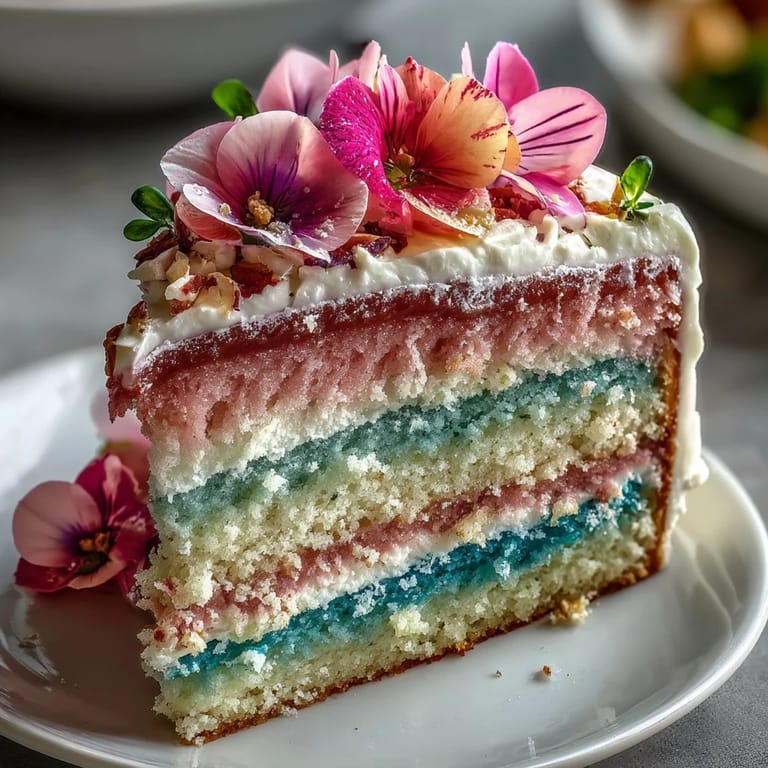
- Divide frosting, tint with matching shades, and apply crumb coat, then full frosting blended for ombre effect.
- Decorate:
- Arrange edible flowers gently over the top, breathing in their subtle scent and framing your cake for the big reveal.
 Save
Save The cake became more than dessert when my niece insisted it was "too pretty to eat," making everyone pause for extra photos before slicing. There was something delightful about mixing colors and arranging petals together, laughing over which flower would go on top. It was the moment this recipe moved from just a kitchen experiment to a spring tradition. Even the crumbs were enjoyed with smiles.
Choosing Your Pastel Palette
I learned to start with pale drops of gel coloring, adding more only if needed; it's easy to overdo. Sometimes, mixing two shades (like pink with a hint of yellow) creates a dreamy new tone. Blending confidently and trusting the colors to turn out is half the fun. Watch as the batter changes with each swirl—it’s almost hypnotic.
Buttercream Texture Secrets
If the frosting feels stiff, a tablespoon of milk loosens it quickly, and sifting the powdered sugar stops crunchy bites. Use an offset spatula for smooth blends. Whipping the butter first makes everything lighter. It’s never as neat as in photos—but tasting as you frost is practically required.
Making the Floral Topper Shine
A light rinse and careful pat-drying of each edible flower keeps petals vibrant and avoids sogginess. Make sure flowers are truly edible, not just pretty—sometimes a simple chamomile or viola changes the whole vibe. Handling blooms with cool hands prevents wilting. Set aside extras for last minute touch-ups.
- Arrange flowers just before serving.
- Layer smaller blooms at the edges for a cascading effect.
- Chill the decorated cake for 20 minutes to set the buttercream.
 Save
Save May your kitchen feel lighter each time you bake this pastel ombre cake. Sharing it somehow makes those first warm spring days even sweeter.
Recipe FAQ
- → How do you achieve the ombre effect in the cake layers?
Divide the batter into portions and tint each with separate pastel gel colors. Bake each layer individually for a smooth gradient look.
- → What types of edible flowers are suitable for the cake?
Pansies, violas, roses, and chamomile are popular choices. Ensure they are organic and specifically labeled as edible.
- → Can I make the cake vegan?
Yes. Substitute plant-based butter, milk, and egg replacers for a vegan-friendly version while maintaining color and texture.
- → How should the cake layers be assembled?
Stack the cooled, leveled layers, spreading buttercream between each. Apply a crumb coat and finish with tinted buttercream for ombre effect.
- → What allergens should I be aware of?
This cake contains wheat, eggs, milk, and edible flowers. Check flowers for allergies and verify suitability with guests.
- → How can I ensure vibrant pastel colors?
Use gel food coloring instead of liquid to achieve rich pastel hues without thinning the cake batter or frosting.