 Save
Save The first time I truly understood what slow cooking meant was in my friend's Omani kitchen, watching his mother unwrap banana leaves from a clay oven to reveal meat so tender it practically dissolved on the tongue. She smiled at my amazement and said something I'll never forget: Shuwa isn't just cooked, it's surrendered to time. That lesson stuck with me, and now whenever I make this at home, I think of those hours of patient heat doing what no rushing ever could.
I remember making this for a dinner party on a cold evening, and my guests kept wandering into the kitchen asking what that incredible aroma was. By the time we unwrapped it at the table, they were already halfway convinced it was the best thing they'd ever eat. It delivered on every expectation, and afterward, someone asked for the recipe with the kind of urgency that meant they'd be making it next week.
Ingredients
- Bone-in lamb shoulder or leg (2.5 kg): The bone contributes deep, savory notes and helps keep the meat incredibly moist during those long hours of cooking.
- Garlic paste and ginger paste (4 tbsp and 2 tbsp): These form the aromatic foundation and penetrate the meat far better than chunks, which I learned after a few less successful attempts.
- Coriander, cumin, cinnamon, cardamom, black pepper, cloves, paprika, turmeric, chili powder (specific measurements): This isn't a generic curry blend; each spice plays a distinct role, and measuring properly makes all the difference.
- White vinegar and lemon juice (1/4 cup and juice of 2): The acid tenderizes the meat and brightens the heavy spices, preventing the dish from feeling one-dimensional.
- Vegetable oil (1/4 cup): This carries the spices into the meat and helps distribute flavors evenly.
- Banana leaves (4–6 large): They seal in moisture and add a subtle, authentic flavor that foil simply cannot replicate, though foil works in a pinch.
Tired of Takeout? 🥡
Get 10 meals you can make faster than delivery arrives. Seriously.
One email. No spam. Unsubscribe anytime.
Instructions
- Mix your spice foundation:
- Combine all marinade ingredients in a large bowl, stirring until you have a fragrant paste that smells like warmth and comfort. This is the moment the transformation begins.
- Score and coat the meat:
- Make deep cuts across the meat using a sharp knife, then rub the marinade thoroughly into every cut and crevice. Don't hold back; you're not just coating the surface, you're feeding flavor into the heart of it.
- Give it time to marinate:
- Cover and refrigerate for 8 to 24 hours; longer is better if you can manage it. I usually do this overnight and into the next day, letting the spices slowly work their magic.
- Prepare your oven:
- Preheat to 160°C (320°F) about 30 minutes before you're ready to wrap and cook.
- Wrap with care:
- Place the marinated meat in the center of your banana leaves and wrap them around it like you're tucking it into bed. Secure with kitchen twine, making sure it's snug but not so tight that steam can't build up inside.
- Set it in the pan:
- Place the wrapped bundle in a deep roasting pan and cover with a lid or foil to trap the steam and heat.
- Let it braise low and slow:
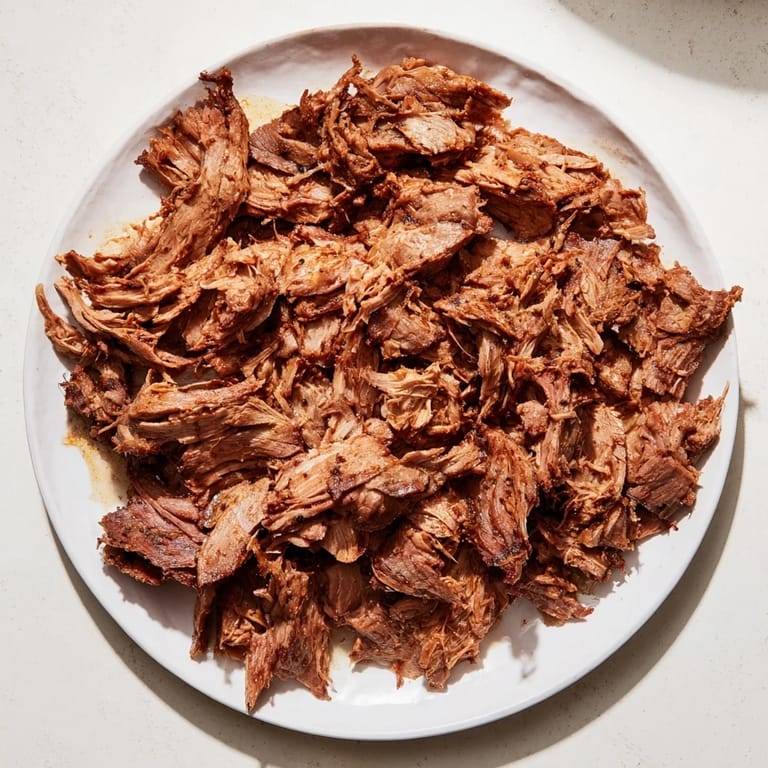
- Roast for 4 to 6 hours at that low temperature. The meat will go from firm to impossibly soft, and the banana leaves will darken as they work their subtle magic on the meat's surface.
- Unwrap and serve:
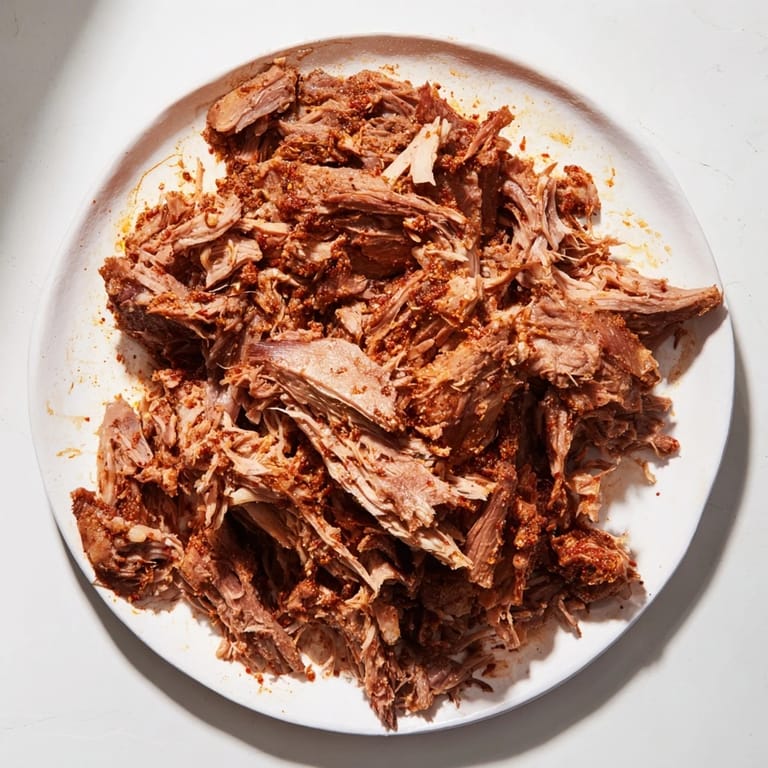
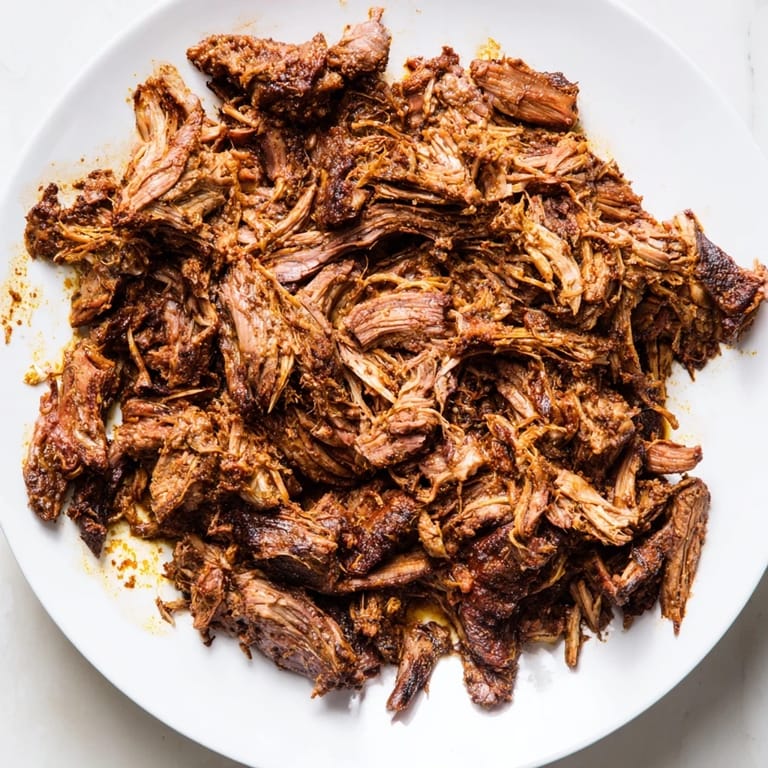
- Remove from the oven, carefully unwrap the banana leaves (watch for the aromatic steam), and shred or carve the meat. Serve with rice or flatbread, letting the cooking juices pool around it.
 Save
Save Years later, I still think about how my grandmother took one bite and closed her eyes, and I knew I'd gotten something right. It wasn't just food; it was a story told through spice and patience, and it brought everyone at the table a little closer together.
The Magic of Low and Slow Cooking
There's something almost meditative about knowing that your dinner is transforming in the oven without any intervention from you. The low heat doesn't just cook the meat; it breaks down the connective tissue so thoroughly that what emerges is tender beyond what high heat could ever achieve. I've learned to trust this process completely, and it's taught me that sometimes the best results come from restraint rather than intensity.
Understanding Each Spice
When I first made this, I nearly treated the spice list as optional, but a mentor in the kitchen gently corrected me. She explained that coriander adds brightness, cumin brings earthiness, cinnamon and cardamom introduce sweetness and warmth, while cloves and black pepper create depth and a gentle heat. The turmeric rounds everything together with a mild bitterness that prevents the blend from becoming too heavy. Once I understood each spice's role, I stopped thinking of it as a recipe and started thinking of it as a conversation between flavors.
Variations and Serving Suggestions
While lamb is traditional, I've successfully made this with beef and goat, each bringing its own character to the dish. The cooking time might shift slightly depending on which you choose, so trust your instincts more than the clock. Serve it with fragrant rice, crisp salad, and a cooling yogurt sauce to balance the warmth of the spices.
- For extra smokiness, briefly grill the unwrapped meat before plating, which adds a charred note that feels like a nod to the traditional underground oven.
- If banana leaves are impossible to find, parchment paper holds the moisture almost as well, though foil works in a true pinch.
- Leftover shredded meat is incredible tucked into flatbread with yogurt the next day, making this a dish that keeps giving.
 Save
Save This dish has a way of turning an ordinary evening into something memorable, and that's really the entire point. Make it for people you care about, give it the time it asks for, and let the aroma do the talking.
Recipe FAQ
- → What type of meat is best for Omani Shuwa?
Lamb shoulder or leg is preferred for its tenderness and flavor, but beef or goat can be used as alternatives.
- → How long should the meat marinate?
The meat should marinate for 8 to 24 hours to allow the spices to deeply penetrate and tenderize.
- → Can banana leaves be substituted?
If unavailable, parchment paper or heavy-duty foil can be used, though banana leaves add a unique aroma.
- → What is the cooking method for the meat?
The wrapped meat is slow-roasted at low heat for 4 to 6 hours until it becomes extremely tender.
- → How can I add a smoky flavor?
Briefly grilling the unwrapped meat before serving enhances smokiness and depth of flavor.
- → What dishes complement this slow-cooked meat?
It pairs well with spiced rice, fresh salad, and yogurt-based sauces for a balanced meal.