 Save
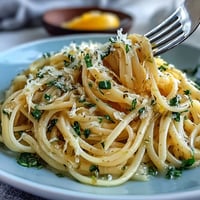
Save There's something magical about standing in front of a nearly empty pantry and realizing you can still make something delicious. One Tuesday night, I had pasta, butter, and Parmesan—nothing else—and instead of ordering takeout, I decided to see what three ingredients could actually do. The result was so silky and satisfying that I've made it dozens of times since, always amazed that something so simple tastes like I spent hours on it.
I made this for my roommate on a stressful Friday when she'd had the worst day imaginable. She watched me boil pasta and toss it with butter and cheese like I wasn't doing anything special, then took one bite and got quiet. She said it tasted like someone actually cared, which made me laugh because all I'd done was not overthink it. Sometimes the simplest meals are the ones people remember most.
Ingredients
- Dried pasta (200 g): Spaghetti, linguine, or fettuccine all work beautifully here—pick whichever you love or have on hand, because the shape doesn't matter nearly as much as cooking it to proper al dente so it holds the sauce.
- Unsalted butter (50 g): Use real butter, not margarine, because those 50 grams are basically your entire sauce base and you'll taste every bit of quality.
- Freshly grated Parmesan cheese (60 g): Grate it yourself if you can—pre-grated cheese has anti-caking agents that make the sauce grainy and breaks the whole magic of this dish.
- Salt and pepper: Taste as you go because once everything is combined, seasoning becomes harder to adjust.
Tired of Takeout? 🥡
Get 10 meals you can make faster than delivery arrives. Seriously.
One email. No spam. Unsubscribe anytime.
Instructions
- Get the water ready:
- Fill a large pot with water, add a generous handful of salt, and bring it to a rolling boil—you want it almost aggressive so the pasta season properly from the inside out.
- Cook the pasta:
- Add your pasta and stir it immediately so nothing sticks to the bottom, then cook until it's tender but still has a little resistance when you bite it. This usually takes about 2 minutes less than the package says.
- Save the liquid gold:
- Before draining, scoop out about 150 ml of the starchy pasta water and set it aside in a cup or measuring glass. This water is what transforms butter and cheese into actual sauce instead of just a greasy coating.
- Bring it together off heat:
- Drain the hot pasta, return it to the empty pot, and immediately add the butter off the heat. Toss constantly until every strand is slick and butter-coated, which takes about a minute of real arm movement.
- Build the sauce:
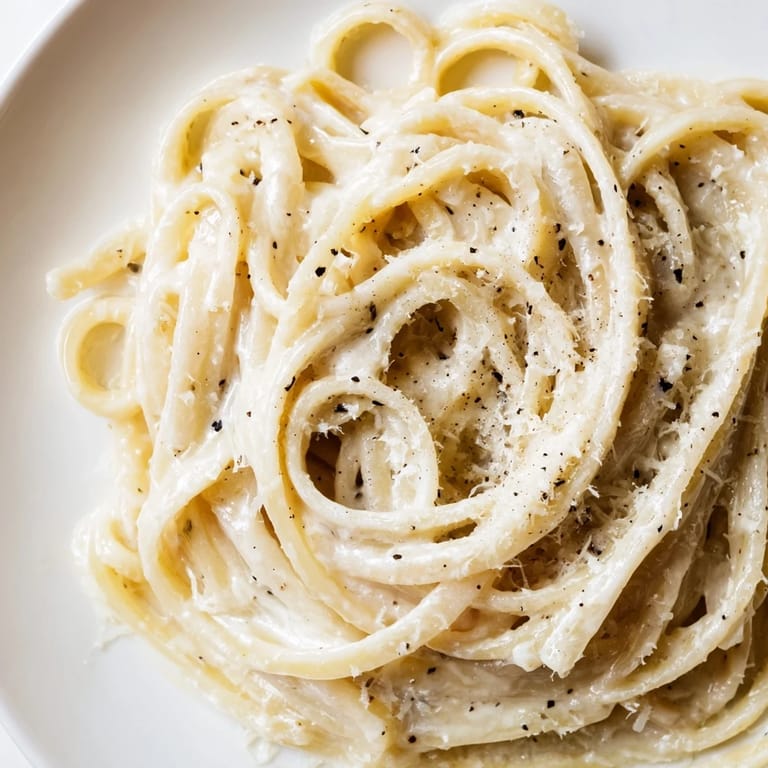
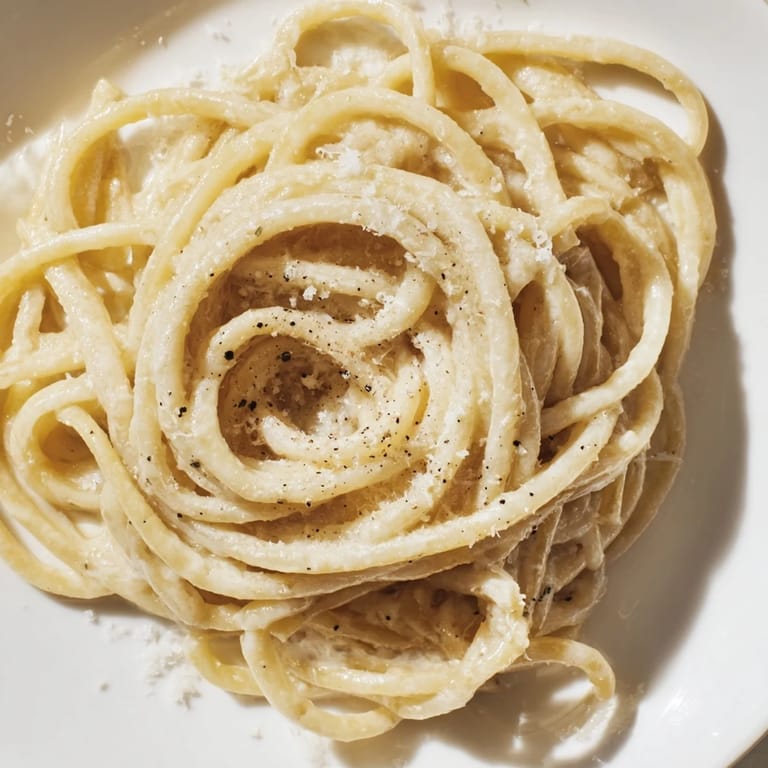
- Sprinkle the Parmesan over the buttered pasta while tossing, then drizzle in about 60–80 ml of that reserved pasta water a little at a time. Keep tossing vigorously—this is where the emulsion happens and a creamy sauce appears almost like magic. Add more water if needed to reach the consistency you like, remembering it will thicken slightly as it cools.
 Save
Save I learned this lesson the hard way one night when I got impatient and tried to make this in a hot pan. The butter separated, the cheese clumped, and I had to start over—which is actually what taught me why this method works. Now I make it correctly every single time, and it's become my answer to the question everyone asks: what do you cook when you have nothing?
Why Less Is Actually More
There's a reason this recipe has lasted centuries in Italian kitchens—it proves that you don't need a long ingredient list to create something memorable. Every component here does exactly one job and does it well, with no filler or complexity hiding mediocrity. When you're forced to work with three things, each one becomes essential and noticeable, which is kind of the opposite of how most cooking advice works.
Timing and Rhythm
The whole point of this recipe is speed, so the rhythm matters as much as the technique. Once that pasta hits boiling water, you're basically on the clock—everything else happens in quick succession with no pause for thinking or prep. There's something satisfying about how efficient it is, how by the time you've finished draining and returned to the pot, you're already tossing and building the sauce.
Small Variations That Work
While the base recipe is perfect as written, it's also forgiving enough to handle tiny additions if you find yourself wanting them. I've added a pinch of nutmeg on mornings I'm feeling fancy, or torn in fresh basil when it's in season, or even cracked red pepper flakes when I want heat. The butter and Parmesan stay constant, but everything else bends to what you've got or what you're craving.
- Pecorino Romano swaps in beautifully if you want something sharper and saltier than Parmesan.
- Gluten-free pasta works perfectly with this sauce method, so dietary preferences never have to stop you from making it.
- Fresh herbs, red pepper, or a whisper of nutmeg are all excellent additions if you have them, but the recipe is complete without them.
 Save
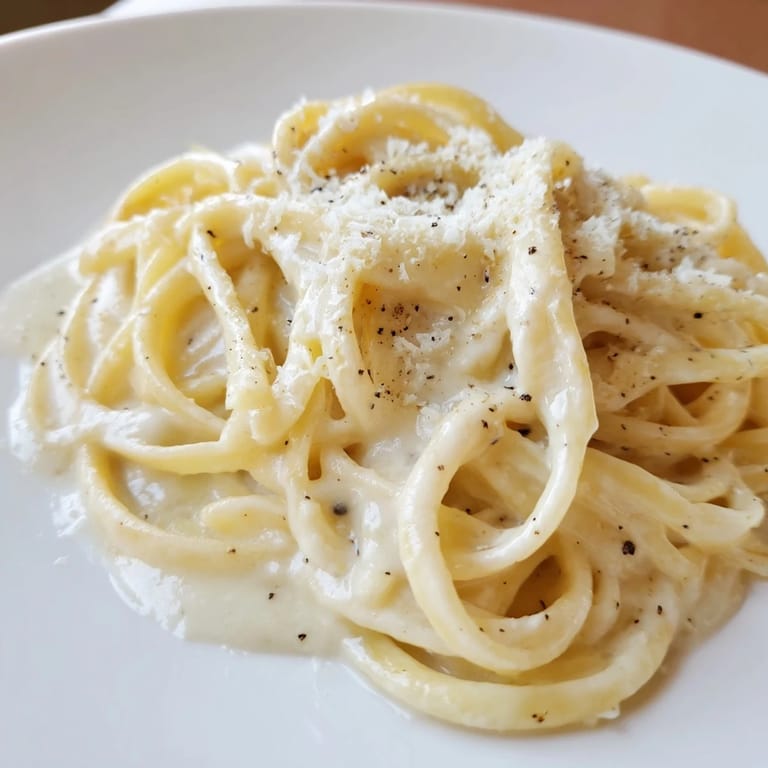
Save This recipe has become my go-to proof that cooking doesn't have to be complicated to be good. It's the dish I make when I want comfort without stress, and somehow it never disappoints.
Recipe FAQ
- → What pasta types work best for this dish?
Long pasta varieties like spaghetti, linguine, or fettuccine hold the creamy sauce well and maintain a pleasant texture.
- → How does the pasta water affect the sauce?
Reserved pasta water contains starch that helps emulsify butter and cheese into a smooth, creamy sauce.
- → Can I use alternative cheeses?
Pecorino Romano can replace Parmesan for a sharper, saltier flavor if preferred.
- → Is it possible to make this dish gluten-free?
Yes, gluten-free pasta varieties can be used without altering the method, maintaining the dish’s ease and flavor.
- → What seasoning enhances the flavor?
A pinch of freshly grated nutmeg or chopped herbs adds a subtle aromatic depth to the creamy sauce.