 Save
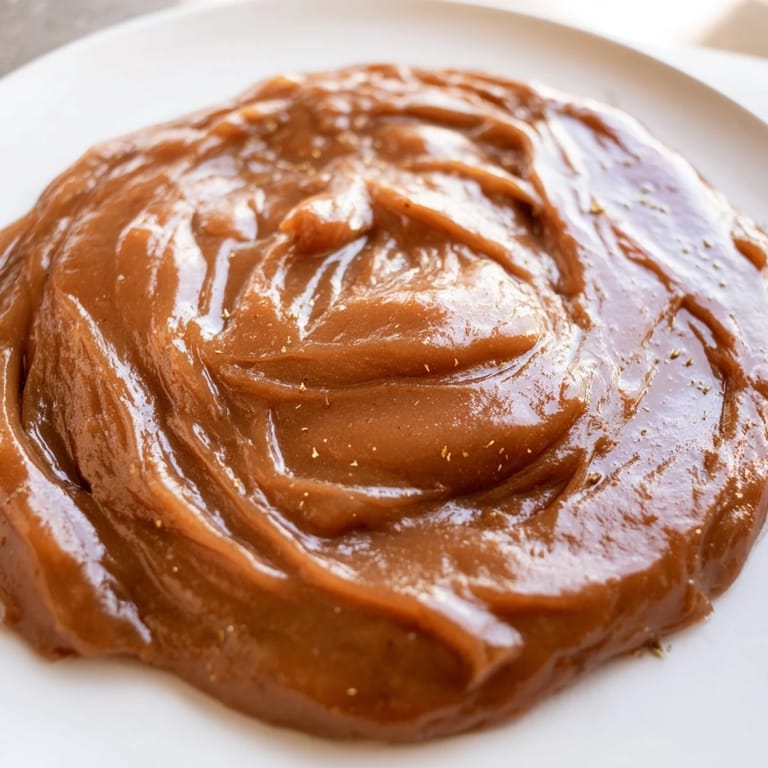
Save My neighbor's grandmother taught me to make Al Madrooba on a quiet Friday morning, her kitchen already warm and spiced with cardamom before dawn. She moved through the process with such ease, as if her hands remembered every stir without thinking, and I realized then that some dishes aren't just breakfast—they're a meditation, a way of saying good morning to yourself. The dates melted under the wooden spoon like they'd been waiting for permission to transform, and when she let me taste it straight from the pan, still steaming and glossy, I understood why this dish has fed generations. It's humble, honest, and somehow makes even the simplest morning feel ceremonial.
I made this for my family on a Sunday morning when everyone was moving slowly, and somehow the smell of dates softening in ghee got everyone to the table at once. There's something about that buttery sweetness that fills a kitchen so completely, so invitingly, that it stops conversations and brings people together. My daughter asked if we could make it every weekend, and now it's become our small ritual, the one breakfast nobody skips.
Ingredients
- 400 g Medjool dates (pitted, soft and fresh): These are the backbone of Al Madrooba—their natural sweetness and tender texture are what make this dish possible; choose the softest dates you can find, as they'll break down faster and create that silky paste you're after.
- 3 tbsp ghee: This clarified butter carries the flavor and creates that glossy, creamy consistency; don't rush it, let it melt slowly so it infuses gently with the dates.
- 1/2 tsp ground cardamom (optional but recommended): Cardamom is what whispers 'this is Emirati' into every spoonful; it's aromatic without being loud, adding a floral warmth that feels like home.
- Pinch of sea salt: Just enough to wake up the sweetness and make the cardamom bloom; trust the pinch, don't measure it in your palm.
Tired of Takeout? 🥡
Get 10 meals you can make faster than delivery arrives. Seriously.
One email. No spam. Unsubscribe anytime.
Instructions
- Start with dates that are ready:
- If your dates still have pits, remove them and chop the dates into rough pieces about the size of your thumb. This helps them break down faster when they hit the hot ghee.
- Melt the ghee slowly:
- Use medium-low heat and let the ghee pool and shimmer in the pan; you want it warm and fragrant, not bubbling or brown. The smell will tell you when it's just right.
- Add dates and stir constantly:
- Once the dates hit the warm ghee, they start softening immediately; keep your wooden spoon moving, pressing the dates into the ghee, mashing them as they soften. You're looking for that moment around three to five minutes when they transform from chunks into a thick, creamy paste.
- Season and finish:
- When the dates are fully broken down and glossy, sprinkle in the cardamom and salt, stirring until they're completely mixed through. The paste should look rich and cohesive, like something precious.
- Cool slightly before serving:
- Remove from heat and let it sit for just a minute or two; it will firm up slightly as it cools, but still taste like warmth. Serve it warm, draped onto flatbread or eaten by the spoonful.
 Save
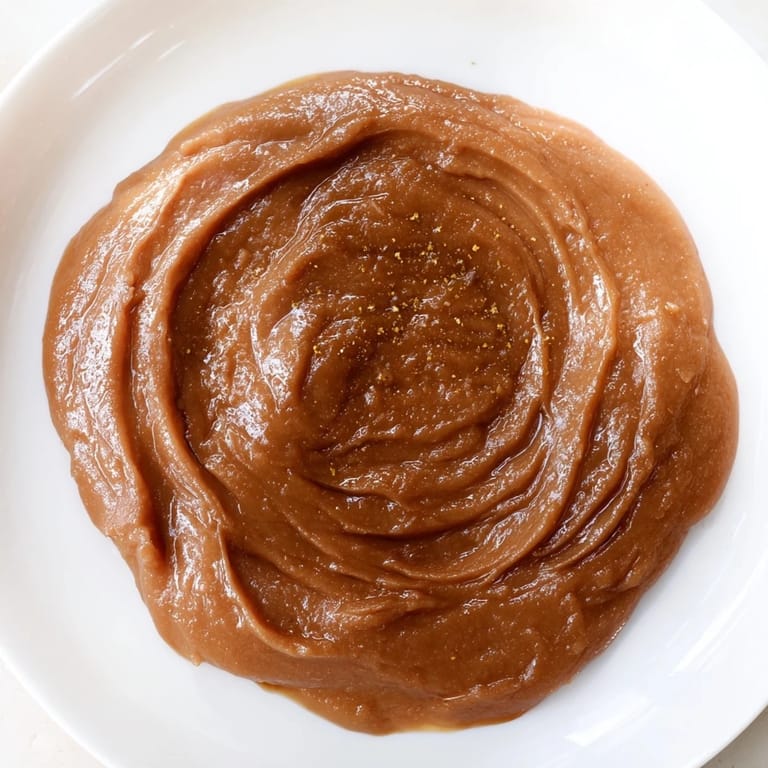
Save I remember my daughter's face when she realized Al Madrooba was just dates and ghee, that no magic ingredient was hiding in the cupboard—just two simple things becoming something greater than themselves. That moment taught me that the best recipes aren't complicated; they're just honest, and sometimes that's more powerful than any fancy technique could ever be.
The Soul of This Dish
Al Madrooba isn't fussy. It doesn't ask for precision or expensive equipment; it asks only for presence. The wooden spoon in your hand, the warmth rising from the pan, the smell building in the kitchen—these are the elements that matter. Once you've made it a few times, your hands will remember the feeling of the dates breaking down, and you'll stop needing to watch the clock. You'll just know.
Making It Your Own
The beauty of this recipe is that it welcomes gentle variations without losing its identity. Some mornings I toast a handful of crushed pistachios in the ghee before adding the dates, letting their earthiness settle into the sweetness. Other times, I skip the cardamom entirely and just let the dates and ghee speak for themselves. The dish is flexible enough to bend toward your taste without breaking.
Serving and Storing
Serve Al Madrooba warm with fresh flatbread—khameer or pita both work beautifully, giving you something to scoop with, something to wrap around the spoon. It keeps well in the refrigerator for up to five days, and you can warm it gently over low heat with a splash of ghee to restore its creamy texture. I often make a double batch on Friday and enjoy it throughout the week, each spoonful tasting like a small act of self-care.
- Store in an airtight container and warm gently before serving to restore its silky texture.
- If it seems too thick after cooling, loosen it with a teaspoon of warm ghee and stir.
- This dish is best enjoyed within the first few days while the flavor is brightest.
 Save
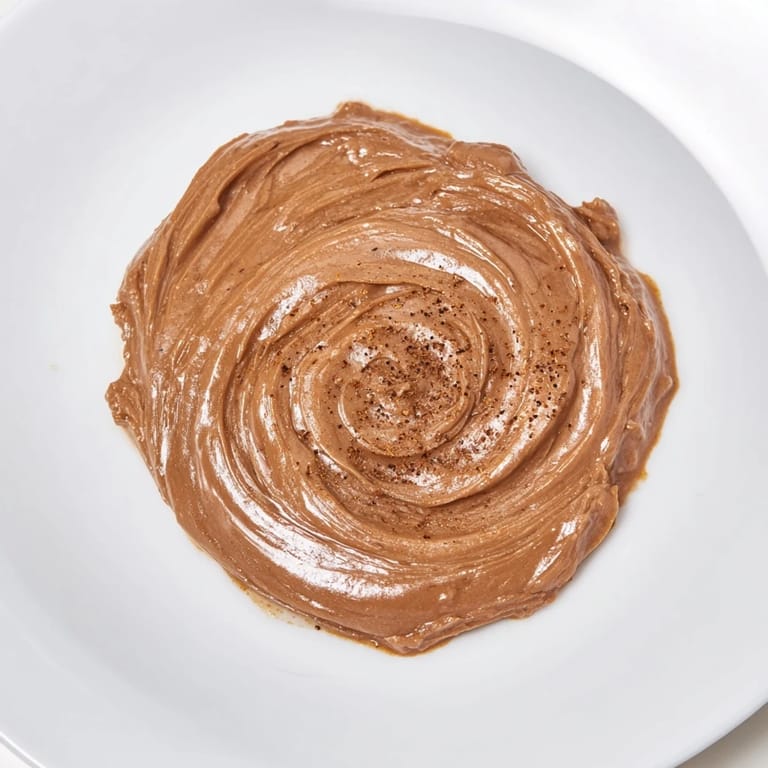
Save Al Madrooba taught me that breakfast doesn't need to be complicated to be nourishing, and that sometimes the most meaningful meals are the simplest ones. Make this, share it, and let it become your own small tradition.
Recipe FAQ
- → What type of dates work best for Al Madrooba?
Soft, fresh Medjool dates are ideal due to their natural sweetness and creamy texture when cooked, which helps create a smooth spread.
- → Can ghee be substituted in this dish?
Yes, unsalted butter offers a milder flavor, while coconut oil provides a dairy-free alternative without compromising richness.
- → How can I achieve a smoother texture in the spread?
Blending the dates in a food processor before cooking helps achieve an extra creamy consistency.
- → Is cardamom necessary in the flavoring?
Cardamom is optional but adds a fragrant, slightly spicy note that complements the sweetness of the dates beautifully.
- → What are common serving suggestions for this dish?
It is traditionally enjoyed warm or at room temperature, often served alongside fresh flatbreads like khameer or pita.