 Save
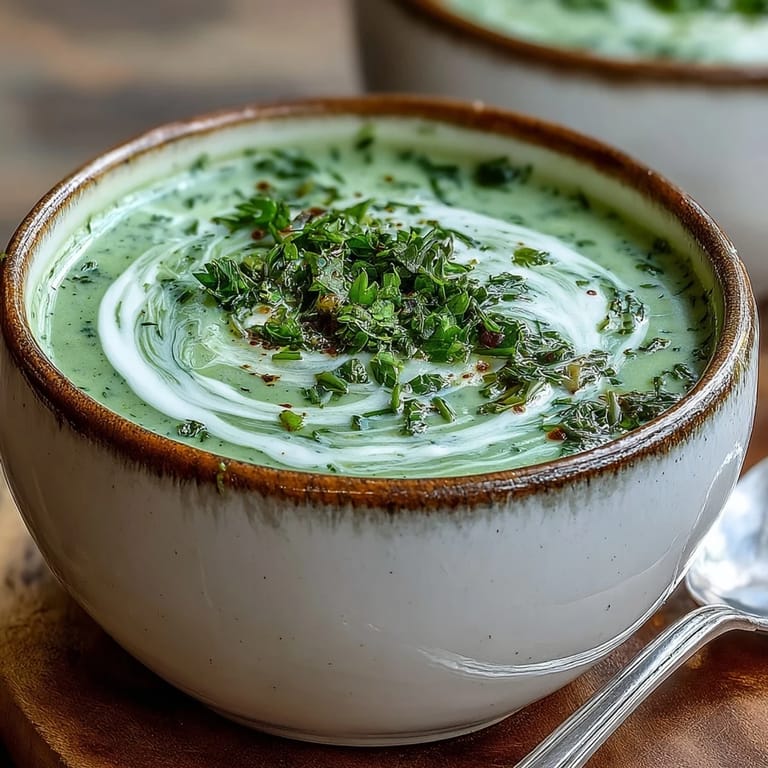
Save There's something about celery that catches people off guard—it's often the supporting actor in the kitchen, chopped up and forgotten in a mirepoix. But one quiet Tuesday afternoon, I decided to let it take center stage, simmering it down into something silky and unexpected. The kitchen filled with this subtle, almost green fragrance, and by the time I blended it smooth with fresh herbs and cream, I understood why my grandmother used to say the simplest ingredients sometimes hold the most interesting secrets.
I made this for my neighbor last spring when she mentioned feeling under the weather, and watching her face soften as she tasted it reminded me that food doesn't need to be complicated to be healing. She came back three days later asking if I'd teach her, and we ended up cooking it together while her kids colored at the table, the whole house smelling like fresh dill and comfort.
Ingredients
- Unsalted butter (2 tbsp): This is your flavor foundation, so don't skip it or rush the sautéing—good things happen when butter has time to get golden and fragrant.
- Medium onion, chopped: The sweetness here balances the earthiness of the celery, and those 3–4 minutes of cooking are non-negotiable for developing flavor.
- Celery stalks, sliced (6 stalks, about 400 g): This is your star ingredient, so use the tender inner stalks if you can find them—they're milder and more delicate than the outer ones.
- Medium potato, peeled and diced: Potatoes add body and creaminess without any cream, which is the secret to making this soup silky.
- Garlic cloves, minced (2): Just a minute of cooking is all it needs, or it'll turn bitter and remind you why timing matters.
- Vegetable broth (4 cups): Use good quality broth—it's the backbone, and a weak one will leave you wondering where the flavor went.
- Whole milk or plant-based milk (1 cup): Add this at the end to preserve its delicate flavor and keep the soup from tasting too heavy.
- Bay leaf: One leaf, and don't forget to fish it out—it flavors the broth but has no business being in your spoon.
- Fresh parsley, dill, and chives (1–2 tbsp each): These herbs are what transform the soup from simple to special, so use them fresh and add them just before blending.
- Salt and freshly ground black pepper: Season at the end, tasting as you go—it's the only way to know when you've hit the right note.
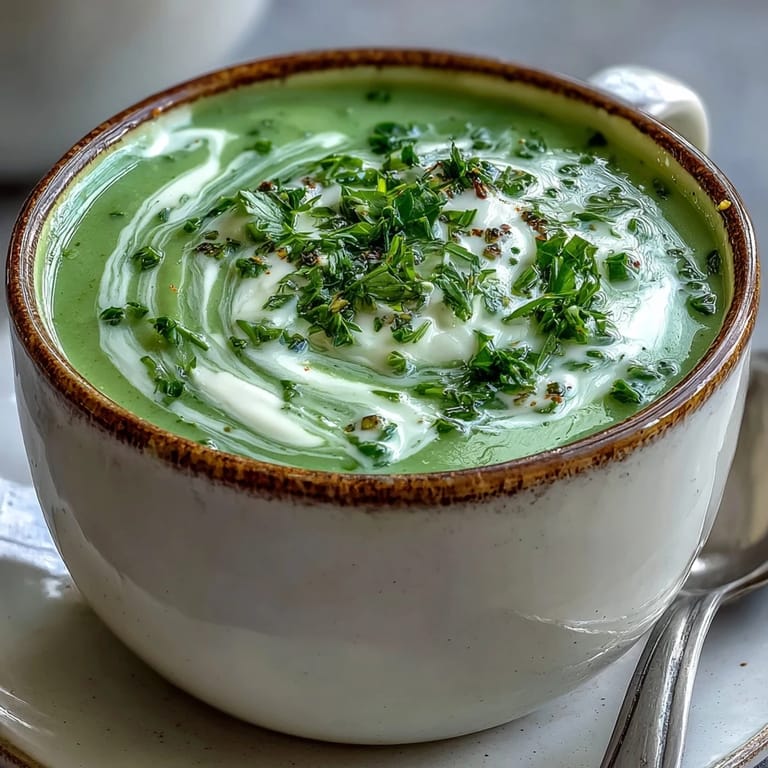
- Heavy cream or crème fraîche (2 tbsp, optional): A swirl on top is how you make it feel fancy, even if you're eating it alone in your kitchen.
Tired of Takeout? 🥡
Get 10 meals you can make faster than delivery arrives. Seriously.
One email. No spam. Unsubscribe anytime.
Instructions
- Butter and onions first:
- Melt the butter over medium heat and let the onion cook gently for 3–4 minutes until it turns translucent and soft. You'll know it's ready when the edges look almost glassy and the whole pot smells sweet.
- Build your base:
- Add the celery and potato now, stirring occasionally as they cook for 5–7 minutes. They should start to soften and release their own flavors into the butter—don't rush this step, as it sets the tone for everything that follows.
- Wake up the garlic:
- Stir in the minced garlic and let it cook for exactly one minute—just long enough to become fragrant without turning harsh and bitter. You'll feel the shift in the room when it happens.
- Simmer with confidence:
- Pour in the vegetable broth, add the bay leaf, and bring it to a gentle simmer. Cover the pot and let it bubble quietly for 15–18 minutes until the celery and potato are so tender they fall apart at the gentlest pressure of your spoon.
- Herbs and milk go in together:
- Remove the bay leaf carefully, then stir in the milk and all three fresh herbs. Let it simmer for just 2 more minutes—the herbs will brighten the flavor, and the milk will soften everything into something silky.
- Blend until smooth:
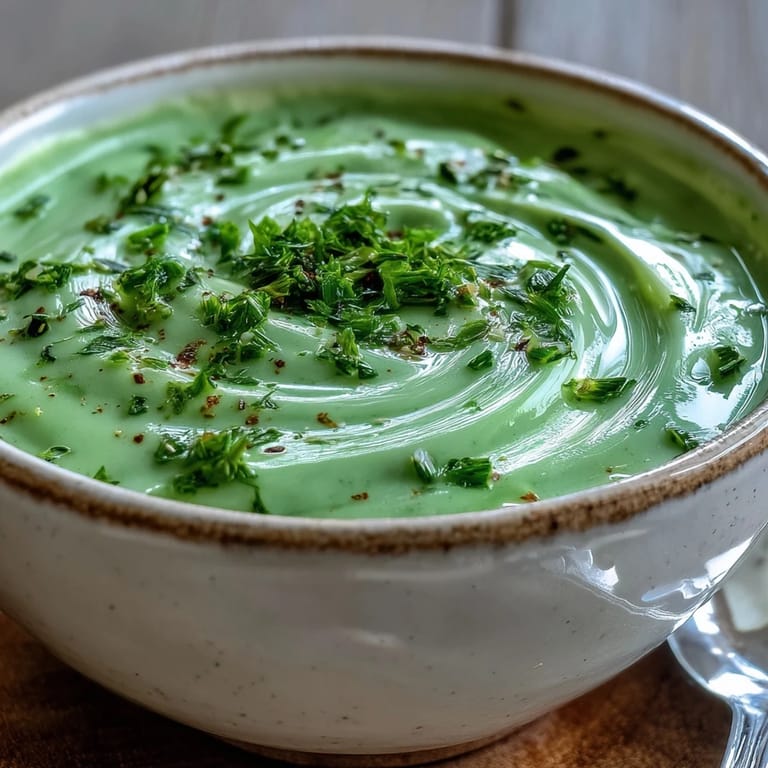
- If you have an immersion blender, this is where it shines—just plunge it in and pulse until you have no lumps left. If you're using a regular blender, let the soup cool slightly first, then blend in careful batches so hot liquid doesn't escape.
- Season and taste:
- Return the blended soup to the pot and taste it carefully before adding salt and pepper. You'll be surprised how much flavor is already there, waiting for just a gentle seasoning to bring it all into focus.
- Serve with a flourish:
- Ladle the soup into bowls while it's hot, then add a thin swirl of cream or crème fraîche if you'd like. A last scatter of fresh herbs on top makes it look like you've been cooking all day, even though you haven't.
 Save
Save The moment someone tastes this soup and asks for the recipe is the moment you realize you've made something that sticks with people. It's not flashy or complicated, but it's real, and that's what matters.
Why This Soup Works
Celery gets a bad reputation for being bland on its own, but when you cook it low and slow in butter, something miraculous happens—it becomes sweet and almost floral. The potato does the heavy lifting behind the scenes, dissolving into the broth and creating that silky texture without any cream at all. By the time you add the milk and fresh herbs, you've already built a foundation so strong that everything else just amplifies what's already there.
Playing with Flavor
I've made this soup at least twenty times now, and I'm still finding little ways to shift its personality. A splash of white wine after sautéing the vegetables adds a subtle brightness, while a pinch of nutmeg (and I mean a pinch—it's easy to overshoot) brings a warmth that feels almost nostalgic. Some mornings I add a whisper of lemon zest at the end, and other times I let the herbs speak entirely for themselves. The beauty of this recipe is that it's forgiving enough to welcome your own instincts.
Making It Your Own
This soup belongs to everyone, regardless of what you can eat or prefer to avoid. Swap the butter for olive oil or vegan butter and the milk for any plant-based version you like, and you've got something that tastes just as good. I've made it dairy-free more times than not, and honestly, it doesn't miss what's been taken away. The real magic happens when you stop thinking about what's missing and start appreciating what's right in front of you.
- Freeze this soup without the cream topping, and it will keep for up to three months in airtight containers.
- If you want to add depth, try a small knob of fresh ginger or a handful of fresh tarragon instead of the dill.
- Serve it hot in winter or chill it completely and serve it cold on warm afternoons—it's different but equally delicious either way.
 Save
Save This soup has become my kitchen's quiet favorite, the one I make when I want to feel capable and generous without any fuss. Make it once, and I promise you'll make it again.
Recipe FAQ
- → Can I make this soup ahead of time?
Yes, prepare up to 3 days in advance and store in the refrigerator. Add the cream garnish just before serving for best results.
- → How do I make this vegan?
Substitute butter with plant-based alternative, use unsweetened plant milk, and skip the cream swirl or use coconut cream.
- → Can I freeze this soup?
Freeze without the cream garnish for up to 3 months. Thaw overnight in the refrigerator and reheat gently.
- → What herbs work best?
Fresh parsley, dill, and chives create a balanced flavor. Tarragon or thyme make lovely alternatives if preferred.
- → Why add potato?
Potato acts as a natural thickener, creating a silky texture without heavy cream. It also adds subtle sweetness.